
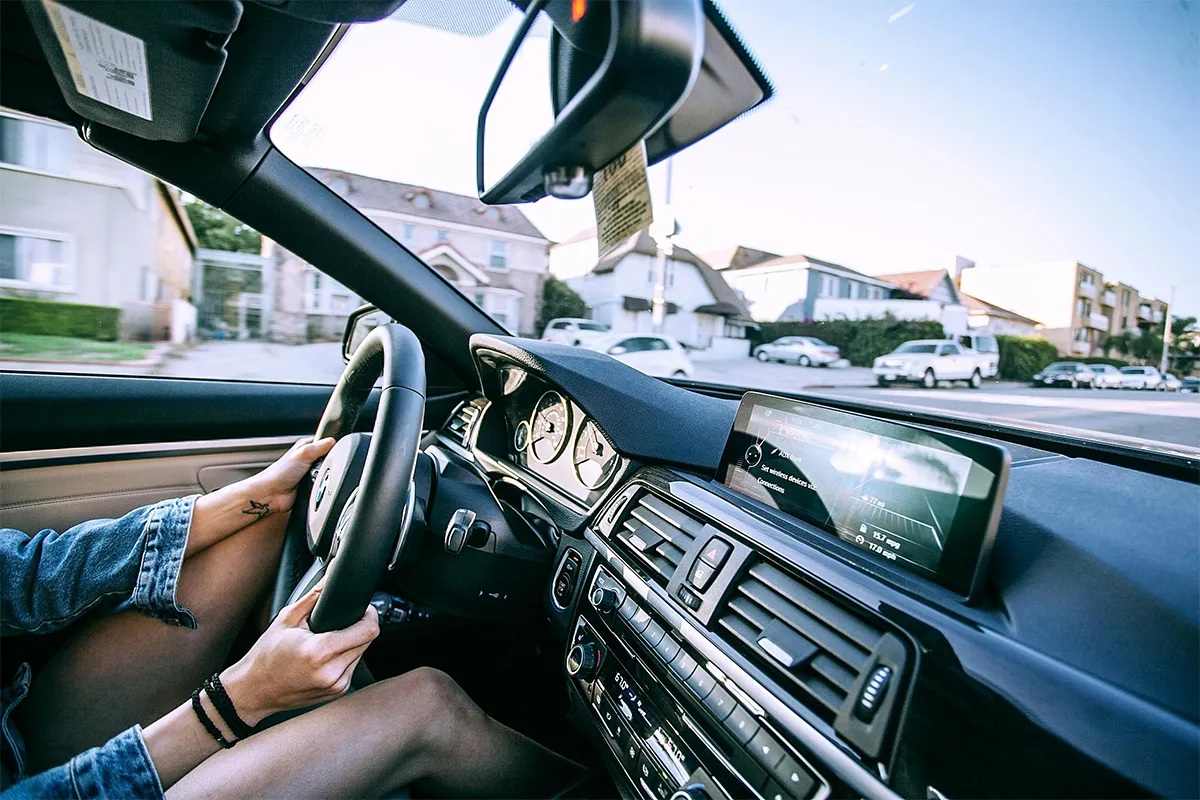
When the technology is rapidly revolutionized, AI has worked as the catalyst. Technology is no longer what it was before. The same goes for the AI-generated dashcam footage. Now with AI, you can create a synthetic and professional dashcam video almost identical to the real one.
It has now become more important for the fleet managers to explore how the AI-generated dashcam footage can be used legitimately and where as fraud. This differentiation marks a line between the ethical and unethical use of AI in dashcam equipment. Something the institutions must be worried about. Let’s take a deep look at its types, uses, benefits, risks, and detection techniques.
The Legitimate Use: Synthetic Dashcam Data for AI Training
A problem shadows traditional dashcam recordings. Simple video devices capture ordinary driving with ease. Yet the heart-stopping moments that safety systems really need to spot almost never appear in normal footage. An AI video app stepped onto the scene to answer this gap.
- Edge case simulation: Artificial intelligence builds dramatic, rare moments, such as a person charging into a crosswalk under dim street lamps or a speeding car bursting out from behind a corner. People rarely see such situations in real traffic video, and high-risk events in the digital world arrive in seconds rather than waiting years for lucky or unlucky, real-world captures.
- Faster training: Developers may create thousands of sharp-edged scenarios far quicker than waiting for just a few real crashes. Model development probably jumps ahead in weeks rather than months.
- Better detection: Safety systems exposed to these digitally crafted dangers may become much sharper because the range of surprises in their memory grows. Street-level vigilance seems to increase before the models move into daily service.
- No real-world risk required: Artificial crashes play out only in the digital realm. Every iteration builds skill without a single tire squealing or real injury ever happening.
AI-generated dashcam footage, when directed this way, becomes a powerful force for progress in driver safety. Some would say the biggest leap forward in fleet safety AI during 2025 and 2026 came from unexpected sources. The very same generative technology blamed for digital trickery now may play hero by making safety systems more clever than ever. Fleet managers probably need to keep both sides of that coin in mind when checking out new tools.
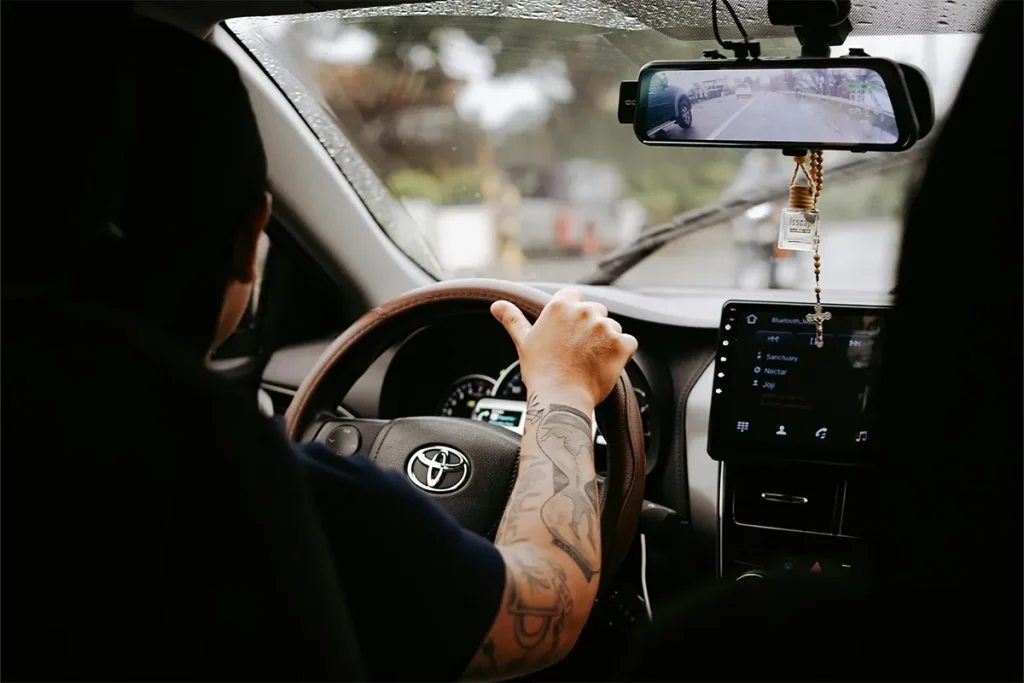
The Fraud Risk: Fake Dashcam Footage in Insurance Claims
For years, people saw dashcam footage as solid proof in who-is-at-fault debates. That sense of trust now faces serious doubt. AI-generated video grows more believable and much harder to spot every day, the same rapid improvement in realism that now lets AI jewelry try-on apps show shoppers a convincingly accurate preview before they buy. Fraudsters use this advanced editing to create fake documents for insurance claims. More and more, industry insiders whisper that digital fraud has become a real menace.
1. The scale of the problem:
Recent surveys from insurance experts paint a troubling picture. Nearly all carriers have run into footage or papers that look altered by AI. Almost as many believe these new editing tools probably fuel a sharp rise in shady claims. When AI edits dashcam video, human eyes only spot the fakes about half of the time. That is basically a coin toss.
2. How fake dashcam footage is created:
Fraudsters now send in insurance claims with deepfake footage. Quick and cheap, the process may require little effort. Some even add fake GPS tags and time info so the video seems to show a real moment in a real place. Long ago, only tech wizards managed these tricks. With generative video apps now everywhere, anyone with bad motives can probably pull it off.
3. Who is most at risk:
Those running commercial fleets probably face extra danger. Footage from these vehicles, especially from front and rear AI dash cams used in commercial fleets, means a lot when people argue over accidents. If someone else turns in a video that clashes with your driver’s honest recording, your company must show the truth. That job is tough if the system cannot track where the video came from in the first place.
4. The organized fraud dimension
Criminal groups are not working alone now. Small teams push many fake claims every week using robots and automated steps. Fast money often comes before anyone catches the trick. Even a minor success might turn fake claims into easy cash for these fraudsters. Most insurance teams in Britain report a clear rise in these scams since the early 2020s. American commercial drivers and their insurers seem to face a similar storm.
Detection: How to Tell If Dashcam Footage Has Been Manipulated
Fake videos might seem like science fiction, but they appear more often than people believe. Identifying these digital forgeries before they ruin a legal fight or wreck a payout probably feels like catching a shadow. Today, insurance detectives and fleet bosses have fresh weapons at hand. Some use secret codes built right inside the camera. Others rely on fast-learning computers that spot hidden edits no human would ever notice.
1. C2PA content provenance standards
Industry leaders formed a group and shaped a technical rulebook called C2PA. The standard puts a digital seal straight into each video file as soon as someone records the scene. C2PA-ready dashcams can probably prove that nobody changed any pixels since the original moment. For insurance battles, no method may give stronger proof that evidence remains untouched. This chain-of-custody shield stands as the hardest wall for fraud attempts.
- The C2PA seal is added when the camera records
- Proof of original, unaltered footage
- Strongest protection for dashcam clips
2. Metadata and timestamp analysis:
Hidden facts live inside every digital video. Each file keeps tiny clues about device models, real locations, the moment of capture, and even video format. Special programs comb through these details and sniff out odd mismatches.
Several high-tech tools for claim examiners search for signs of tampering. Often, the first awkward gap between the supposed location and secret GPS data gives away a fraud. Skilled eyes probably see these signs before the scam goes any further.
3. Neural network artifact detection:
Computer-made videos always carry faint fingerprints. No normal viewer spots these hidden technical marks. Smart networks, trained by countless video files, probably catch the smallest hint of fake frames. Even the slickest digital wizardry may not outsmart these electronic eyes.
4. Expert Eyes Spot Fake Pixels
Tiny clues might hide inside every single pixel. A strange glow. Light might fall in directions that break nature’s rules. When movement looks odd, you probably notice. Unusual patterns show up between frames. These little signs sometimes scream, “Fake!” Forensic AI probably scans for these clues with expert precision. Deepfake dashcam cases often get pushed to human hands for one last careful look.
5. Context Jumps Out at the Trained Reviewer
Algorithms do heavy lifting. Trained people, however, might see details that machines just cannot catch. Shadows on the road may not agree with where the sun should be. Sometimes cars swerve or stop in ways that make no sense. Road paint may not fit the city that the file claims. Often, these background problems jump out in a person’s review before machines do anything at all.
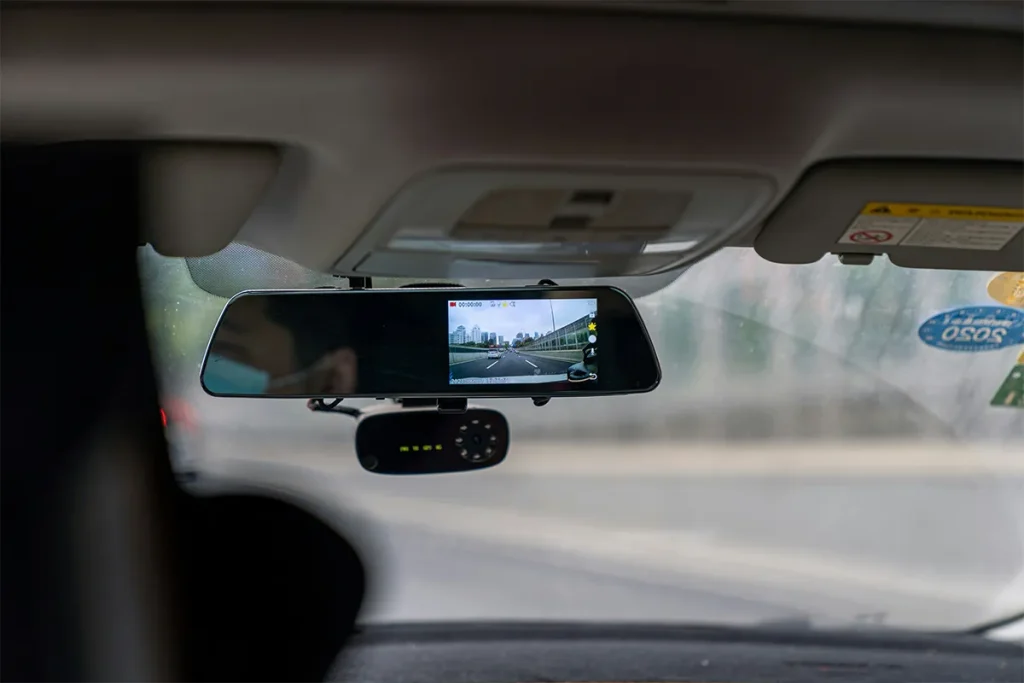
Fleet Leaders Face an Urgent Choice. Anyone running a group of vehicles should act now by adopting systems like an AI dash cam with cloud storage to ensure continuous backup, secure evidence handling, and easier access to verified footage during disputes. Lock down record trails long before a dispute explodes. Waiting until someone asks for proof usually ends in disaster.
AI-Generated Dashcam Footage at a Glance
Fleet managers, insurers, and telematics teams often need a fast summary they can reference without rereading the full article. The table below condenses the key facts across all three dimensions into one place.
Conclusion
No longer just a camera. Now, dashcam history probably ranks as a key safety tool. A sharp image means nothing if you cannot prove nobody tampered. Sometimes a simple, secure dashcam outwits high-tech cameras that lack a strong history. In the next couple of years, questions about C2PA or similar standards will likely surface often in fleet tech talks. Such questions may turn into shields when blame starts flying.
Peering at the other half of the story, one should recognize a constant duel. The same AI that fakes videos also sharpens the watchdogs inside your insurer’s toolkit. New training tricks make these safety systems smarter every year. Staying alert on both offense and defense might define great fleet leadership from this point on. Work in dashcam video authentication for insurance claims has established that linking footage back to a specific vehicle through embedded motion signatures is one of the more reliable ways to expose footage that did not come from the device it claims to be.
FAQs: AI-Generated Dashcam Footage
Q1. Can AI create lifelike dashcam video?
Artificial intelligence now has the power to craft dashcam video that might seem just like authentic road recordings. Only careful experts with forensic tools can probably tell the difference. Some developers use this technology for good, such as training models. Others twist the tool, trying tricks like insurance deception.
Q2. How might insurance companies spot fake dashcam video?
Insurance teams tap into several modern tricks. Many specialists analyze video details like digital fingerprints in the files. Certain computers hunt for clues that neural networks often leave behind. Some experts look for proof of authenticity using C2PA or similar systems. Others scan videos for odd mistakes or impossible things within the scenes. Several companies offer automated tools for these tasks, focusing on insurance and fleets.
Q3. Who might use artificial dashcam video in a positive way?
People building safety AI lean on crafted dashcam scenes for practice. Unreal video may help show dangerous moments that rarely happen and are tough to catch live. This could include unclear pedestrian crossings or close calls at busy city roads.
Q4. How can fleet bosses defend against sneaky fake videos in insurance battles?
Best practice calls for recording deep data alongside video. Authenticity probably stands firm only if you can prove the video never changed. Fleet managers should ask system suppliers about features like C2PA or similar security measures. Keep the raw, untouched files safe. Avoid sending out trimmed or reduced versions.
Q5. Does AI-changed dashcam video create a legal headache for fleets?
Legal battles could spell trouble. When another party pours in a made-up video that conflicts with your driver’s footage, your business faces a tough situation. You must show beyond doubt that your video stayed honest and unchanged. Lacking a secure chain of proof, your position likely weakens, even when your video stands true.