
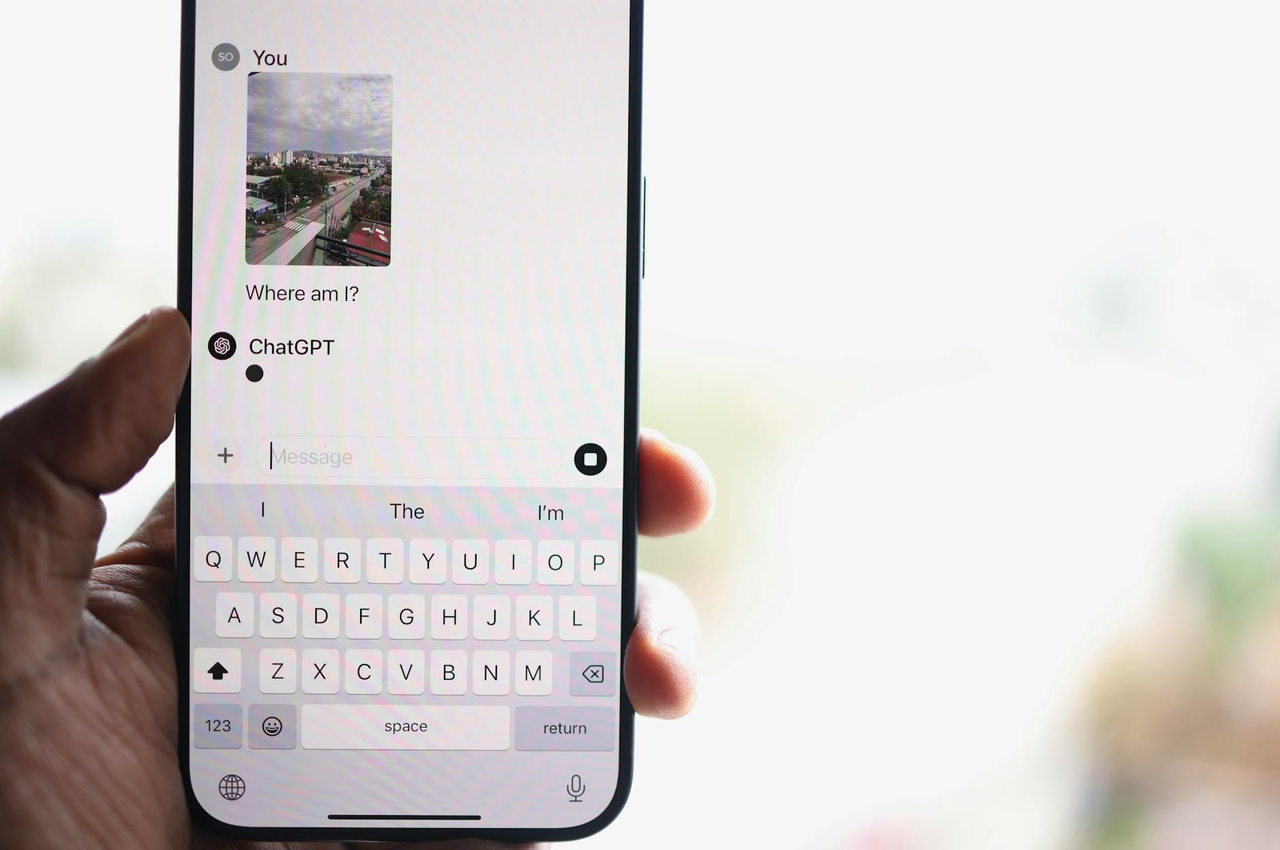
Apple unveiled its refreshed Siri powered by Apple Intelligence in 2026. The company promised smarter responses and deeper integration across devices. Many tech observers asked the same question: did Apple wait too long to modernize its voice assistant?
The answer depends on how one measures success in artificial intelligence. Apple faces competitors who launched advanced AI features years earlier. ChatGPT reached 100 million users in two months during early 2023. Google integrated generative AI into Search in May 2023. Microsoft embedded OpenAI technology into Windows and Office throughout 2023.
Apple followed a different timeline. The company announced Apple Intelligence in June 2024 and began rolling out features months later. This delay sparked debate about whether Apple could catch up or if the company had already fallen too far behind.
The Current State of Voice Assistant Competition
Voice assistants evolved dramatically between 2022 and 2026. The technology shifted from simple command execution to natural conversation and complex reasoning. Three major players dominate the space today.
Google Assistant gained powerful AI capabilities through integration with Gemini. Users can now ask multi-step questions and receive contextual answers. The assistant handles follow-up questions without repeating context. It generates images and summarizes long articles on request.
Amazon Alexa received a generative AI overhaul announced in September 2023. The new version understands conversational nuance better than before. It adapts responses based on user history and preferences. Alexa Plus subscribers access the most advanced features for a monthly fee.
Microsoft rebuilt Cortana's consumer features into Windows Copilot. The AI helper runs alongside applications and assists with productivity tasks. It drafts emails, creates presentations, and answers questions using current web data. Enterprise customers receive additional capabilities through Microsoft 365 subscriptions.
Apple's Siri remained largely unchanged during this transformation period. The assistant still struggled with context and often misunderstood requests. Users reported frustration when Siri failed at tasks competitors handled easily. Market share data reflected this gap in capability.
What Apple Intelligence Actually Delivers
Apple Intelligence represents the company's first major Siri upgrade in years. The system uses on-device processing for privacy and speed. Apple designed the technology to work across iPhone, iPad, and Mac devices simultaneously.
The new Siri understands context from previous requests in a conversation. Users can ask a question and follow up with related queries without repeating themselves. The assistant maintains conversation threads throughout a session. This capability brings Siri closer to competitor standards rather than surpassing them.
Apple Intelligence includes writing tools that proofread text and suggest improvements. The system can rewrite messages in different tones or summarize long passages. These features work inside Messages, Mail, Notes, and third-party applications. Users access the tools through a simple menu rather than switching apps.
Image generation arrived as part of the package through a feature called Image Playground. Users describe what they want to see and the system creates cartoon-style illustrations. The feature works locally on device rather than sending requests to cloud servers. This approach protects user privacy but limits creative options compared to services like DALL-E from OpenAI.
Priority notifications use AI to surface important messages first. The system learns which contacts and apps matter most to each user. Urgent items appear at the top of notification lists while less important items group together. This feature reduces interruptions throughout the day.
The Privacy Advantage and Its Trade-offs
Apple built Apple Intelligence around on-device processing whenever possible. The company processes most requests directly on the iPhone or Mac rather than sending data to remote servers. This approach protects user information from potential breaches or unauthorized access.
Competitors take different approaches to privacy. Google and Microsoft process many AI requests on their servers. This method enables more powerful processing and access to current information. The trade-off involves sending user data outside the device at least temporarily.
Apple developed Private Cloud Compute for tasks too complex for on-device processing. The system sends encrypted requests to Apple servers running on custom chips. These servers delete user data immediately after processing requests. Independent security researchers can inspect the code to verify these claims.
The privacy-first approach creates limitations for Apple Intelligence. The system cannot access real-time web information as easily as competitors. It cannot train on massive datasets that might include user information. These constraints mean Apple's AI sometimes provides less comprehensive answers than alternatives.
Many users value privacy more than cutting-edge features. Research from the Pew Research Center shows Americans increasingly worry about data collection. Apple's reputation for privacy may help Siri gain users even if the technology lags behind competitors temporarily.
Developer Adoption and Ecosystem Integration
Apple opened Apple Intelligence to third-party developers through new APIs. Apps can now tap into system-level AI features without building their own models. This integration helps developers add smart features faster and more reliably than before.
The App Intents framework lets developers expose app functions to Siri. Users can ask Siri to complete tasks inside third-party apps using natural language. The assistant understands context and parameters without requiring exact command phrases. This flexibility makes Siri more useful for everyday tasks.
Developers receive access to the same writing tools users see system-wide. Apps can offer proofreading, rewriting, and summarization without licensing separate AI services. This capability levels the playing field for smaller developers who cannot afford expensive AI infrastructure.
Early adoption among developers has been mixed. Some companies quickly integrated Apple Intelligence features into their apps. Others remained cautious while evaluating user demand and technical stability. The platform is still new and some features remain in beta testing.
The success of Apple Intelligence depends partly on developer enthusiasm. Third-party apps make up a huge portion of iPhone usage time. If developers embrace the new AI tools widely, Siri becomes more capable across the entire ecosystem. If adoption stalls, the assistant remains limited to built-in functions.
Market Timing and Consumer Expectations
Apple entered the modern AI race years after competitors established their positions. ChatGPT launched in November 2022 and immediately captured public imagination. Google announced Bard in February 2023 and integrated it across services. Microsoft invested billions in OpenAI and shipped Copilot throughout 2023.
Consumer expectations shifted during this period. People now expect voice assistants to understand complex requests and provide detailed answers. They want natural conversations rather than rigid command structures. They expect AI to help with creative tasks and problem solving.
Apple's late entry means the company must meet higher standards than early movers faced. Users will compare Apple Intelligence directly to mature competitors. The new Siri needs to match or exceed what people already use daily. Incremental improvements may not feel impressive enough to change behavior.
Timing issues extend beyond consumer perception. Competitors continue improving their AI systems rapidly. Google regularly updates Gemini with new capabilities. OpenAI releases new models every few months. Microsoft keeps expanding Copilot features across its product line. Apple must catch up to a moving target rather than a static benchmark.
Some analysts argue Apple's timing follows historical patterns. The company rarely leads with new technology categories. It enters markets after others establish them and delivers polished experiences. This strategy worked for smartphones, tablets, and wireless earbuds. Whether it works for AI remains unclear.
The Path Forward for Apple's AI Strategy
Apple committed to improving Apple Intelligence continuously rather than treating it as a finished product. The company plans regular updates that add capabilities and refine existing features. This approach mirrors how Apple handles iOS updates generally.
Rumored future features include more sophisticated image generation and expanded language support. Apple currently limits Apple Intelligence to English in a handful of countries. Broader language support would open the technology to millions more users globally. This expansion takes time due to Apple's on-device processing requirements.
Integration with more Apple services seems certain based on company statements. Apple Intelligence could eventually help users search through photos more naturally or create custom automations through Shortcuts. The system might suggest apps or content based on user behavior patterns. These additions would deepen the value of staying within Apple's ecosystem.
Partnership possibilities remain on the table despite Apple's preference for in-house development. The company already works with OpenAI to offer ChatGPT integration as an option within Apple Intelligence. Similar partnerships could bring specialized AI capabilities Apple cannot build quickly enough alone. This hybrid approach might help Apple close the gap with competitors faster.
Success will depend on execution speed and quality. Apple needs to ship meaningful improvements every few months to maintain momentum. The company must balance privacy commitments with feature competitiveness. It needs to convince users that Siri finally works reliably after years of disappointment.
Verdict: Late but Not Out of the Race
Apple Intelligence arrives years behind competitors who transformed voice assistants into powerful AI helpers. The delay gave rivals time to capture user attention and shape expectations. Apple now plays catch-up in a market it once led with the original Siri launch in 2011.
The company brings meaningful advantages despite its late entry. Apple controls an enormous installed base of devices running its software. The company maintains strong customer loyalty and trust around privacy. It has deep pockets to fund continued AI development. These factors provide a foundation for long-term competition.
Current Apple Intelligence capabilities do not match the best features from Google, Microsoft, or OpenAI. Siri still cannot do everything users expect from modern AI assistants. The technology feels like a solid first step rather than a market-leading product. Apple closed some of the gap but significant distance remains.
Whether Apple is too late depends on one's time horizon. In the short term, the company trails competitors badly. Users seeking the most advanced AI capabilities will choose alternatives. In the medium term, Apple may catch up through rapid iteration and ecosystem advantages. The company has recovered from slow starts before in other categories.
The real test comes over the next 12 to 18 months. Apple must ship meaningful improvements quickly to prove it takes AI seriously. The company needs to convince developers to build on Apple Intelligence enthusiastically. It must show users that Siri finally deserves another chance after years of mediocrity.
Apple is late to the modern AI game. Very late. But the game continues for years ahead. The company still has time to become competitive if it moves decisively. Whether Apple will move fast enough remains the central question facing its AI strategy today.