

There was a time when dashcams were just a recording camera sitting quietly on the windshield. Now the times have changed. Technology has become smarter. With the help of AI, they can do more than you can imagine. In this article, we will look at what next-gen AI dash cams are and what’s coming next. AI dashcams are very different compared to the traditional ones. They now have a brain called artificial intelligence. Major fleet companies are not quickly upgrading their vehicles to ensure fortified security and safety.
An AI dashcam is way more advanced. They watch the road carefully and send alerts for collision warnings, driver behavior, and object identification. AI makes it smart enough to judge the distance and depth for a smooth and safe driving experience. Multi-model processing enables them to process 30 or more AI detection models at a time for complete safety. Lane departure, voice assistance, mobile notifications, and better insurance claim facilitation are possible with these next-gen AI dash cams. What’s coming next? Let’s have a look!
What Makes a Dash Cam “Next Gen”?
Everything begins with something close to real thought. Earlier AI dashcams usually came with one job. Most worked as simple movement watchers, blinking on when something shifted nearby. That worked sometimes but never felt very smart. Powerful upgrades arrived. Modern devices have speedier brains. Several clever programs run side-by-side, and the power never pauses. The truth might sound complex, but any person could sense the upside.
Modern dashcams go beyond just spotting motion. True understanding finds a place. The clever tool may start to wonder: will someone step off the curb any second? Newer systems probably ask if another driver presses the brakes too fast. Another process gets curious about a sleepy driver’s heavy eyelids. Each smart thought runs its own path, and the processor juggles them all at once, not one by one.
Quicker choices in real time probably separate classic models from modern options. Early motion clips caught the facts after everything finished. Today’s cameras soak up a rush of information just as danger starts to appear. The lens gives more than the past. A sharp warning may sound. Often, that whisper arrives soon enough to prevent disaster. Video proof stays, but the alert might erase the crash before it ever starts.
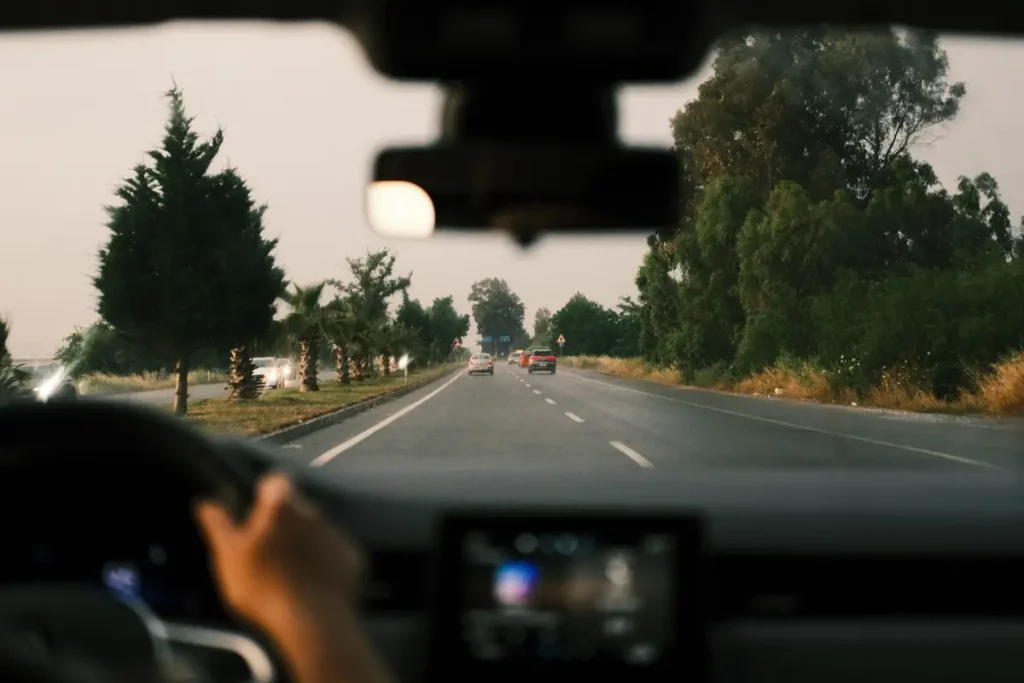
The Technology Powering This Shift
No machine lucked into this kind of talent. Smarter dashcams probably rely on newer, stronger parts and faster thinking built just in recent years. Chips got stronger. Extra camera glass now provides more than one angle. The web lets updates fly instantly. Knowing these steps helps explain how current dashcams reach heights that past models never came close to grabbing.
- Multi-Model Processing: The latest chips run 30 or more AI detection models at once, a world away from a single basic motion sensor firing on and off.
- Driver Monitoring Systems: Inward-facing cameras now study the person behind the wheel, flagging fatigue, distraction, and phone use alongside the view of the road.
- Stereo Vision Detection: Dual-lens setups add depth, giving the camera a sense of distance that sharpens collision and lane-departure warnings.
- Cloud-Based Alerts: Real-time uploads push footage and warnings to a phone or a fleet manager the second an event unfolds, not hours later.
Pull these separate ideas together, and a clear line suddenly appears. Older AI cameras may have brought just one smart trick by themselves. Next-generation machines probably blend several things at once: depth vision, driver checkups, smarter thinking, and sudden online alerts. Working together, these pieces create a complete force. That powerful mix, never just a lonely gadget, earns the real “next gen” badge.
Real Models Leading the Shift
Some folks may guess these dreams only belong in wild sci-fi plans. That belief does not stand up. Makers already slide these marvels into products sitting on store racks right now. Curious eyes might see this technology inside sturdy work trucks or even in family rides heading for the grocery store. Only a few breathtaking models reveal how quickly the camera field has leaped ahead.
- Motive AI Dashcam Plus: Built on a Qualcomm Dragonwing processor, this unit runs more than 30 AI models, adds stereo vision, and captures detailed collision evidence when things go wrong.
- Azuga SafetyCam Plus and Pro: A fleet-focused pair that folds ADAS detection and driver monitoring into one device, watching the road and the driver together.
- Nextbase iQ: A consumer-first smart dashcam designed around app-based alerts and connected features that reach your phone wherever you are.
- Thinkware U3000: Aimed at everyday drivers, this model pairs 4K recording with built-in radar and ADAS alerts for sharper awareness on the move.
Camera angle can matter as much as image detail. Some drivers hope for a circle of vision, missing nothing on either side or behind. Car shoppers possibly prefer all-seeing choices, using picks from trusted reviewers who gather a top-tier collection of 360 degree AI dash cam picks favorites, many powered by new processing tricks. These shared abilities may point to a big change. What looked like business-only tools soon fit in everyday rides.
How This Compares to Fleet-Grade Systems
Way before families thought about these helpers, business leaders pictured the future. Delivery teams and highway drivers probably relied on multi-view AI setups and real-time alerts for years longer than most people guess. Road danger often soars among these pros. Just one half-awake driver. Only one wreck that did not have to happen. For big companies, the price often reaches far beyond a private car owner’s worst worry. Businesses invest in cameras watching every mile, checking driver focus, sending quick warnings to their main office.
Big skills soon escape their hiding places. Technology usually follows a familiar path. Strong tools begin in tough work zones, prices eventually fall, and regular shoppers find these same wonders inside their newest gear. Tricks like 3D-style sight, yawning alerts, and phone pop-ups proved themselves with delivery vans before jumping into home garages.
The gap between work tech and home gadgets almost faded away. Today, a mom or dad fearing a teen’s first solo drive can pick features once tested only in massive shipping trucks. People seeking a closer look might find answers inside a detailed Samsara AI dash cam review, where a top-class example goes to work in the outside world. A true pro gadget might reveal clues about what’s heading straight toward family driveways next.
What to Expect Going Forward
Guessing about far-off years rarely brings real answers. Actual movement matters most. Each point here springs up directly from things already on sale and from the speed already building in stores. The items below show likely moves coming soon, not wild ideas from some far-away future.
- Cheaper Multi-Model Chips: Processing muscle that sits in premium models today will probably slide into mid-range cameras as chip costs fall.
- Wider Driver Monitoring Adoption: A feature once reserved for fleets is fast becoming standard equipment on consumer devices.
- Deeper Insurance Integration: A growing number of insurers already offer discounts tied to dashcam safety data, and that link may tighten.
- Better Low-Light Performance: Sensor improvements keep closing the gap, sharpening footage on dark roads and through rain or fog.
Every update already rests on a real product. Power chips already drive the fanciest cameras. Driver spot checks happen right now in gadgets for normal buyers. Insurance companies quietly use fresh camera details. Night vision seems to grow stronger with every new release. Here, when people talk about the “future,” they probably mean new trends just stepping out of stores and reaching more drivers season after season.
Is It Worth Upgrading Now?
Making the choice to upgrade may feel less about fancy new tricks and more about how you travel each day. Certain drivers might spot real rewards from a fast switch. Some others may figure waiting for a newer version brings little risk or stress.
People who direct many vehicles usually stand at the front. Big fleets with several drivers call for careful attention. Tracking every trip as it happens and collecting proof can flip headaches into calm. Many parents probably feel some thanks here. Gear that shows when young drivers drift off or lose interest, and then sends a warning to a mobile device, might give a peace of mind that no other method can match. Workers who chase small jobs join the group. Nonstop hours, busy roads, and regular legal worries create a strong hunger for a smart friend riding along.

Some folks may stay calm. People who keep driving on familiar roads, only when the sun is up, and avoid faraway places, might discover that an old camera works alright. Modern gadgets seem to drop in price all the time, while new tricks appear, so patient buyers often score better deals for less. Experts usually repeat the same advice. Pick the upgrade when hazards feel high, or you travel far. For everyone else, just keep a close eye. When a good offer shows, grab the chance.
Next Gen AI Dash Cam Quick Facts
All the capability packed into these new devices can get lost in the marketing language. Here’s a compact rundown of what actually separates a next-gen dashcam from an older model.
| Feature | Detail |
|---|---|
| Processing Power | Latest chips run 30+ AI models simultaneously |
| Driver Monitoring | Inward-facing cameras flag fatigue, distraction, and phone use |
| Camera Setup | Dual-lens stereo vision adds depth for sharper collision alerts |
| Alert Speed | Cloud uploads push warnings in real time, not after the fact |
| Common Use Cases | Fleet safety, teen driver monitoring, rideshare and delivery work |
| Insurance Impact | Some insurers offer discounts tied to dashcam safety data |
| Origin of the Tech | Driver monitoring and multi-camera AI started in fleet vehicles |
| Current Trend | Fleet-grade features are moving into everyday consumer models |
Conclusion
These recording devices change every season. A simple recorder now tries to shield you too. Smart machines check the street, watch the driver, and sometimes send out a shout before things go wrong. Large companies pushed this trend, but the smart tools no longer belong just to them. Everyday people can use clever sensors, sharp views, and sudden alarms now.
Tiny tweaks may bring genuine gains for daily drivers. Fewer nasty surprises. Faster heads-up before trouble. Videos might reveal both the moment and the reason behind each event. These details probably count since one small slip while driving may lead to big problems. Cameras that warn first may keep you out of trouble, not just caught on film.
The future for these devices links to a bigger wave already building. Experts explore how better sensors and new thinking machines might make crashes rare, one area where research groups study sensing and perception technology to make vehicles safer. That next device on your windshield might quietly do more. Your journey may end safe, thanks to this silent helper.