
In this age of technological revolution driven by AI, it is important to upgrade all your devices and equipment. The AI Space dashcam offers successful integration of AI in its features, services, and functionality. Before you spend your money, it is important to find out how the AI Space dashcam works, what different models are available to select from, and how their after-sales services work.
The AI has been integrated successfully into almost all the devices we use daily. It makes them more efficient, productive, and helpful. The dashcam with AI can identify and differentiate between objects. They can give you an alert well before an incident happens. Additionally, they offer services like smart clip updates, better lane assists, safer parking mode support, and quicker access to important footage when you need proof.
What “AI Space Dashcam” usually means
People use the phrase “AI Space Dashcam” in two common ways.
Sometimes, it is a provider name or a service label. In that case, the person wants to know what the provider offers and what is included.
Other times, it is used as a general idea. The person wants an AI dashcam, but they have not picked a brand yet. Even then, they still want the same answers. They want to know what the service includes, what packages can look like, and what the setup will be like.
For many drivers, an AI dashcam for car safety is valuable because it can warn you early, record clearly, and keep important clips saved when the road gets risky. The driver wants a video that saves every time. The driver also wants help when the road gets risky.
What makes a dashcam “AI” in a simple way
A normal dashcam records video. An AI dashcam can also notice key events. It can mark them, save them, or warn you.
Some AI dashcams can detect hard braking. Some can detect sharp swerves. Some can warn when a car gets too close in front. Other models can warn when you drift out of your lane. A few can also watch the driver and flag signs of tiredness or distraction.
If you are comparing options, an AI recorder dash cam can be a good choice because it can tag important moments, save them fast, and make clips easier to find later. The dashcam can help you find the right clip faster. It can also protect important clips so they do not get erased.
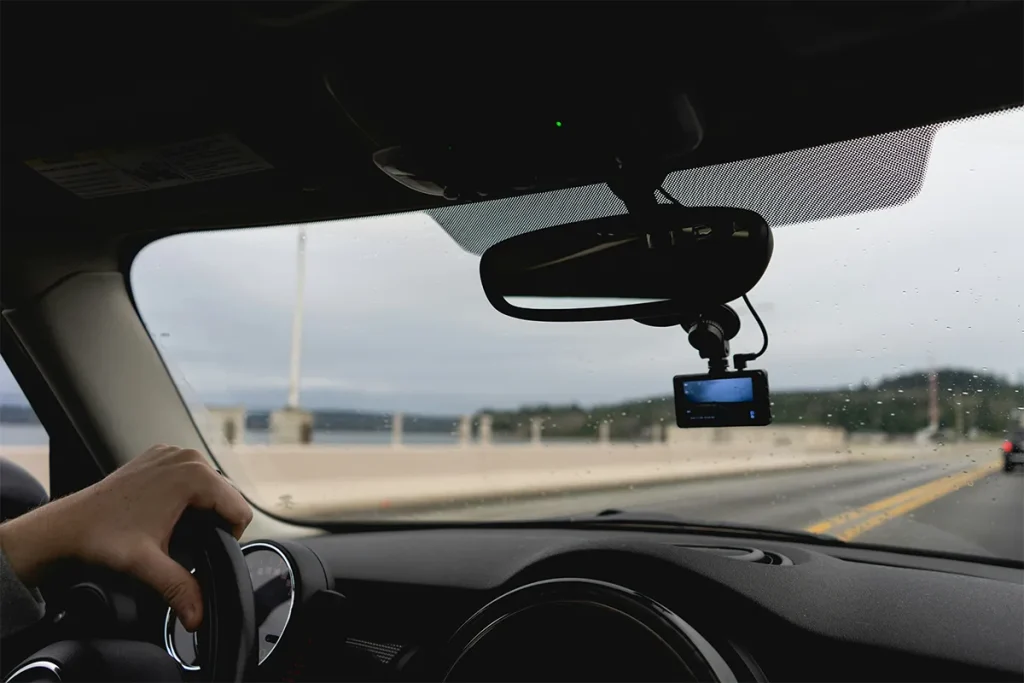
Core services you should expect
When a service provider uses the AI Space Dashcam label, the most useful services are often simple and practical. Each service matters because a dashcam should work daily, not only on day one.
1. Help choosing the right dashcam
A good seller or installer asks clear questions. They ask what you drive and how you drive. They ask where you park and how long you park. They also ask what view you want: front only, front and rear, or cabin too.
A simple rule helps here. Reliability comes first. Extra features come after. The idea behind how to choose an ADAS dashcam is to pick a model that records well and stays stable, then add alerts only if you will use them.
2. Installation or clear setup guidance
Some drivers want a neat install with hidden wires. Other drivers want a quick plug-in setup. Both choices can work. The key point is safe placement and clean wiring.
A careful team will follow an AI dashcam installation checklist and not skip steps. That checklist should include camera angle, cable path, and safe power. It should also include a memory card check, because the wrong card can cause missing clips or broken files.
3. Setup, settings, and a real test
A dashcam should be tested before the job ends. The video should be checked. Night video should be checked. Audio should be checked too.
Night video can be harder because of glare from lights. Simple night vision dashcam tuning tips can help a lot. For example, good placement can reduce reflections from the dashboard. Small setting changes can also improve clarity.
4. App pairing and basic training
Many drivers prefer an AI dashcam with the best app because it makes it easier to find clips, lock important video, and share a file fast when something happens. The app should be set up on your phone before you leave.
The helper should show you how to lock a clip. They should show you how to download a clip. They should also show you where saved clips are stored, so you can find them fast later.
5. Support after the sale
A dashcam runs in heat, dust, and daily vibration. For that reason, support matters.
Good support means clear warranty terms. It also means help when a cable fails or a mount loosens. Firmware updates matter too. Updates can fix bugs and improve stability, so they should not be ignored.
Common package types and what they include
When support is included, AI dashcam best service kits can be worth it because they often bundle setup help, a proper memory card, and quick fixes for common problems. Knowing these groups makes comparing easier.
1. Basic package
This package is often front camera only. It usually includes a mount and a memory card. It fits drivers who mainly want proof after an event.
Even a basic package should include a correct camera angle and a short test. A cheap install that points the camera the wrong way will not help you.
2. Standard package
This package often adds a rear camera. It may also add better night video and a better sensor. It often includes cleaner cable routing.
Heat can weaken mounts over time, especially in hot weather. That is why heat-resistant dashcam mounting is important. A strong mount and good placement can prevent sagging or falling later.
3. Advanced AI package
This package focuses more on smart alerts and event tags. Sometimes it also adds driver monitoring. It may include stronger storage options and better video handling.
For tough work sites, an AI dashcam for construction vehicles can be useful because it can handle daily vibration, record loading zones, and save clear clips when a safety issue happens. In that case, GPS speed logging for fleet cars can be helpful. Even without a fleet system, GPS stamps can still help show where and when something happened.
4. Parking-focused package
This package is for people who worry about bumps, scratches, or hit-and-run events while parked. Parking mode can help, but the power setup decides how well it works.
A safe parking mode power setup guide should be part of this service. The goal is to keep the dashcam running while the car is off, while still protecting the battery. A proper low-voltage cutoff setting can help prevent battery drain.
5. Rideshare or cabin package
Some drivers want cabin video, clear audio, and quick clip sharing. This can matter for rideshare work.
A best dashcam for rideshare drivers setup often includes a cabin camera, low light support, and easy export. Local rules can vary, so it is wise to learn what notice or consent may be needed for cabin recording.
Installation expectations: what should happen on the day
A good install day should feel clear and calm, so you know what is happening. You should see the plan first, then the install, then a short test. Steps done in order can reduce mistakes. When the process is simple, you can leave with more confidence.
- Confirm placement first: The installer should confirm placement before sticking anything down. The front camera should see the road well, but not block your view. The rear camera should be centered and stable.
- Route cables safely: Wires should not cross airbag paths. Wires should not hang near pedals or moving parts. Neat cable work matters because it supports safety and long-term reliability.
- Hardwire with care: If the install uses hardwiring, ask how power is taken. Proper dashcam wiring for fuse box work uses the right fuse taps and safe grounding. Clean wiring can prevent rattles and reduce electrical risk.
- Test before leaving: A test should happen before you leave. You should see a short clip in the app. You should confirm the date and time. You should also learn how to lock a clip with one button or one tap.
After the install, it helps to check the dashcam again the next day. A quick look can confirm the camera is still level and the view is still clear. If you notice glare or a weak angle, a small change can fix it fast. Simple checks like this can protect the value of the setup.
Features that matter most for real drivers
AI features can help, but basics matter more. A simple order can help you choose.
- Video clarity: Clear video is the first goal. Plate reading matters in real life. Good results come from a good lens and sensor, not only a high resolution number on a box. Seeing a sample video can help. Real clips are better than a marketing picture.
- Stability and heat performance: A dashcam should run for long drives without freezing. It should not restart again and again. Heat is often the biggest test. A stable dashcam in hot weather is worth more than extra features. Memory cards matter too. Low-quality cards can corrupt files. The right card can reduce errors.
- Parking mode you can trust: Parking mode can record while your car is off. That sounds great, but the results can vary. Sensitivity should be set to catch real bumps, not every small vibration. Power should be set so your battery stays safe. Clip storage should be clear, so parking clips are easy to find.
- GPS and correct time: GPS stamps can help show where an event took place. Correct time can help with reports and claims. A simple time error can create confusion, so time setup matters.
- Easy evidence sharing: In a stressful moment, you want quick steps. You want to export a clip and share it without trouble. This is where video evidence for insurance claims becomes very useful. A clear, time-stamped video can support your side of the story. It can also reduce long back-and-forth talks.
Questions to ask before you buy
Before you choose between AI-powered dashcams, ask clear questions that can protect you from surprise costs and weak service. These questions stay simple, yet they give strong clarity.
- What exact model is in this package?
- Does the price include the memory card?
- Is installation included, and what kind of install is it?
- How does parking mode power work for my car?
- What battery protection setting is used?
- How do I save and export clips fast?
- What warranty covers the camera, and what covers the installation work?
- Are updates included, and how do updates happen?
- If the rear camera cable fails, what is the fix process?
Cloud features can also come up. If cloud is included, ask how storage works, what it costs, and what happens when the signal is weak. A clear explanation of cloud backup for dashcam footage should be provided, with real limits and real costs.
What to expect for cost and value in 2026
Pricing can vary because packages combine hardware and service. Front-only setups are often lower cost. Front and rear setups are often higher cost. Parking mode can also raise cost because an AI dashcam with the longest battery life often needs better power support to record longer while parked.
Instead of chasing the lowest price, focus on value. Value comes from reliable hardware, clean install work, and support that answers you after the sale. A dashcam that fails during an event does not help, even if it was cheap.
Simple checklist for choosing the right package
A short list can help you decide without stress.
- Decide on your coverage: front, rear, or cabin.
- Pick reliability and heat strength first.
- Add AI alerts only if you will use them.
- Choose parking mode if you park in risky places.
- Confirm clean installation and safe power.
- Confirm the app feels easy for saving clips.
- Confirm warranty and support terms.
Table: AI Space Dashcam at a Glance
| What you want | Best package type | Typical inclusions (what you should get) | Good fit for | Quick checks before you buy |
|---|---|---|---|---|
| Clear proof after an incident | Basic front–only | Front camera, strong mount, loop recording, and a high–endurance microSD card | Daily commuters who want simple recording | Ask what card type is included and whether it is rated for continuous recording |
| Wider coverage behind you | Standard front–rear | Front and rear cameras, clean cable routing, app setup, and a short test recording | City driving, frequent lane changes, and rear–end risk | Confirm rear camera placement, cable safety, and that you can lock clips quickly in the app |
| Early alerts and event tagging | AI + ADAS package | Lane departure and forward collision warnings, event tagging, and basic driver alerts | Drivers who want alerts plus evidence | Ask which alerts exist, how sensitive they are, and whether they can be turned off |
| Recording while parked | Parking mode kit | Hardwire kit or power module, motion or impact triggers, and a low–voltage cut–off to protect the car battery | Street parking, parking lots, and overnight parking | Confirm the cut–off setting options and how long it can run in parking mode on your vehicle |
| Remote access and backup | Cloud + LTE add–on | LTE module or similar connectivity, cloud access, and remote notifications (a plan and SIM are usually required) | Fleet use, long–distance drivers, and high theft risk | Ask the total monthly cost, what uploads automatically, and what happens with a weak signal |
| A cleaner ownership experience | Service + after–sales | Setup help, firmware update guidance, warranty clarity, and basic troubleshooting support | Anyone who wants fewer headaches | Ask who handles support, the warranty period, and what is covered (camera vs installation) |
Conclusion
This can connect well with machine learning for driver workload monitoring and how well-timed alerts can support safer driving decisions. They want a clear video. They want the correct setup. They also want help if problems show up later.
A good package does not need to be the most expensive. It should match your real needs. Clear video, stable recording, and simple clip sharing matter every day. When those basics are strong, smart features can feel like a bonus instead of a burden.