
You’ve added online ordering to your restaurant’s website. Your prices are 15-20% lower than what customers pay on DoorDash or Uber Eats. Yet somehow, most orders still come through those expensive third-party apps that eat into your already thin margins.
This frustrating reality affects thousands of restaurants. Third-party delivery platforms charge commission fees ranging from 15% to 30% per order, but customers keep using them anyway. Understanding why helps you fight back and reclaim those direct orders.
The Real Reasons Customers Stick With Delivery Apps
Price isn’t the deciding factor you think it is. Several powerful forces keep customers locked into third-party platforms, even when your direct ordering channel offers better value.
Convenience Beats Cost Every Time
Customers already have DoorDash, Uber Eats, or Grubhub installed on their phones. Their payment information is saved. Their favorite orders are remembered. Past receipts are easy to find. Opening a familiar app takes two seconds, while visiting your website means typing a URL, creating an account, and entering payment details from scratch.
This convenience factor overwhelms a few dollars in savings for most diners, especially during busy weekdays when decision fatigue is high.
Discovery Through Browsing Behavior
Many customers don’t start their food ordering journey with a specific restaurant in mind. They open a delivery app to browse options, compare menus, and read recent reviews. Your restaurant might not even be on their radar until they see it listed alongside competitors.
Third-party platforms function as discovery engines. According to research from the U.S. Census Bureau, food delivery app usage has fundamentally changed how Americans find restaurants, particularly among younger demographics.
Trust in the Platform’s Infrastructure
Customers trust that DoorDash will refund them if something goes wrong. They trust the real-time tracking. They trust the customer service department will answer their call. Your website might offer the same guarantees, but you haven’t built that trust yet.
Large platforms have spent billions building customer confidence through consistent experiences across thousands of restaurants. Overcoming that established trust requires deliberate effort.
Loyalty Programs and Promotions
Third-party apps run aggressive promotion campaigns. DashPass and Uber One memberships offer free delivery on orders over a certain amount. Flash sales provide percentage discounts. Exclusive offers appear for specific restaurants during slow periods.
These promotions create habit formation. Customers return to the platform expecting deals, even if your direct pricing is competitive.
7 Proven Strategies to Drive Orders to Your Website
You can’t eliminate third-party apps entirely, but you can shift the balance. These seven tactics help restaurants reclaim a significant portion of their delivery orders.
1. Create Your Own Loyalty Program That Actually Rewards Direct Orders
Points-based systems work. Give customers a compelling reason to order directly by offering rewards they can’t get through third-party apps. A simple structure like “earn 1 point per dollar spent, get $10 off after 100 points” is easy to understand and track.
Make enrollment effortless. Automatically create loyalty accounts when customers place their first direct order. Send progress updates via email or text so customers see how close they are to their next reward.
Exclusive perks matter too. Give loyalty members early access to new menu items, birthday rewards, or free delivery after a certain spend threshold. The key is making customers feel valued for choosing your website over the apps.
2. Make Your Ordering Process Ridiculously Simple
Every extra click costs you orders. Audit your ordering flow and eliminate unnecessary steps. Allow guest checkout without forced account creation. Save customer information for returning visitors without making it creepy.
Mobile optimization isn’t optional anymore. Most orders happen on phones, so test your entire ordering process on a small screen. Buttons should be thumb-friendly. Forms should use appropriate keyboard types. Menu images should load fast even on slower connections.
Consider implementing one-click reordering for returning customers. If someone orders the same lunch every Tuesday, make it effortless to repeat that order with a single tap.
3. Match or Beat Delivery Times With Your Own Fleet
Speed matters as much as price. If third-party apps deliver in 30 minutes but your orders take 50 minutes, customers will pay the premium for faster service.
Building your own delivery operation isn’t right for every restaurant, but hybrid models work well. Handle nearby deliveries yourself during peak hours when you have staff available. Use third-party delivery for longer distances or slow periods when dedicated drivers don’t make economic sense.
Some restaurants partner with local courier services that charge flat fees instead of percentage-based commissions. This approach maintains control over the customer experience while keeping costs predictable.
4. Promote Direct Ordering on Every Customer Touchpoint
Customers won’t know about your direct ordering option unless you tell them repeatedly. Add QR codes to dine-in menus that link directly to your ordering page. Include flyers in takeout bags with a first-order discount code. Put signage in your windows and at the pickup counter.
Train your staff to mention it. When customers call to place orders, staff should say “I can take your order now, or I can send you a quick link to order on our website where you’ll save 15% and earn loyalty points.”
Use social media strategically. Post about direct ordering benefits regularly, not just once. Share customer testimonials from people who’ve switched. Run contests that require direct orders to enter.
5. Offer Website-Exclusive Menu Items or Deals
Give customers menu items they can only get by ordering directly. This could be a special sandwich, a family meal bundle, or a dessert not available on third-party apps.
Flash sales work particularly well. “Order directly this Tuesday and get 20% off all orders over $30.” Time-limited offers create urgency and help build the direct ordering habit.
Consider pricing strategy carefully. Some restaurants deliberately increase prices on third-party apps to offset commission fees, then advertise their website as having “menu prices.” This transparency often resonates with customers who appreciate the honesty.
6. Build an Email and SMS Marketing List
Direct communication channels let you bypass third-party platforms entirely. Collect phone numbers and email addresses at checkout, then use them to drive repeat orders.
The Federal Trade Commission requires explicit consent for marketing messages, so be clear about what customers are signing up for. A simple checkbox that says “Text me exclusive deals and earn bonus loyalty points” usually works well.
Send valuable content, not just promotions. A weekly text with your soup special or a monthly email featuring a chef’s recipe keeps your restaurant top-of-mind without being pushy. When you do run promotions, make them genuinely valuable.
Timing matters. Send lunch specials mid-morning on weekdays. Promote dinner deals in the late afternoon. Weekend brunch offers should go out on Friday.
7. Invest in Technology That Matches the App Experience
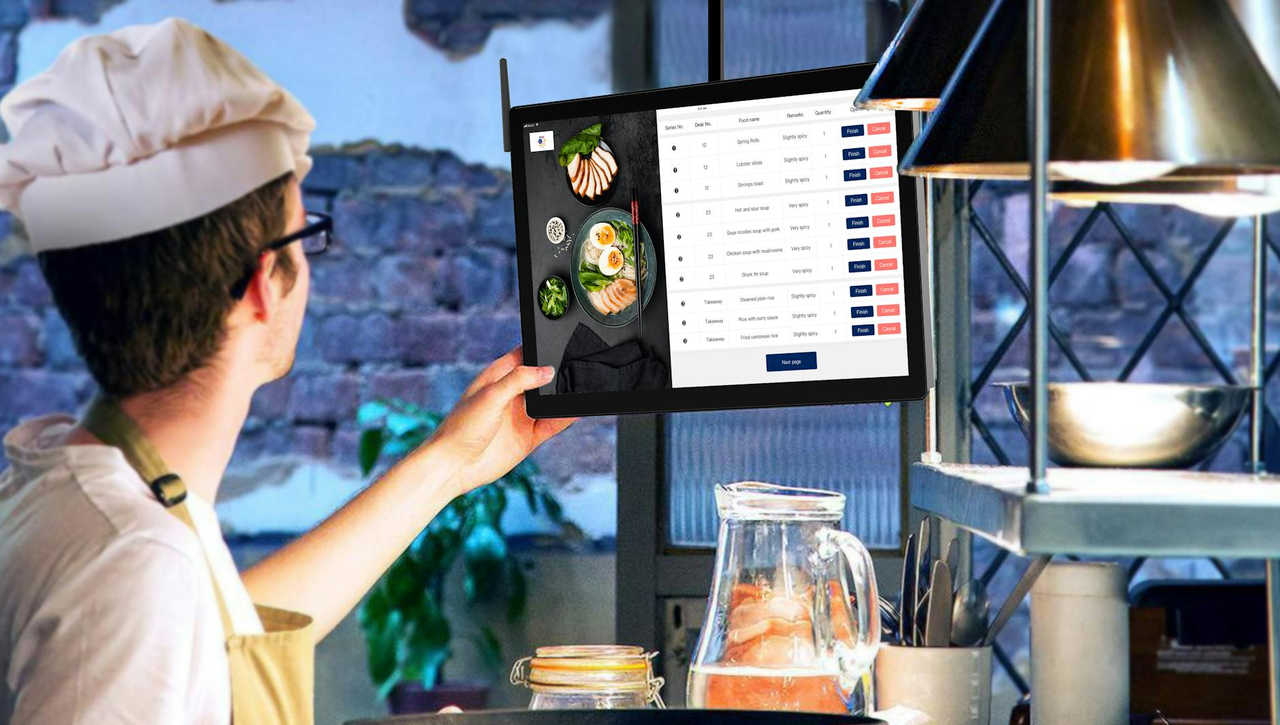
Your ordering system needs to feel as polished as DoorDash. Clunky interfaces and confusing navigation send customers straight back to familiar apps.
Real-time order tracking builds trust. Customers want to know when their food is being prepared, when it’s out for delivery, and when it’s arriving. Automated text updates at each stage reduce anxiety and customer service calls.
Integration matters. Your ordering system should sync with your point-of-sale, update menu availability in real-time, and handle modifications smoothly. Nothing frustrates customers more than ordering something that’s actually sold out.
Many modern restaurant platforms offer these features at reasonable monthly costs. The investment typically pays for itself within weeks through saved commission fees.
The Long-Term Approach to Reducing Third-Party Dependency
Shifting customer behavior takes time. Most restaurants see gradual improvement rather than overnight transformation. Set realistic goals like increasing direct orders by 10% each quarter rather than expecting to eliminate third-party apps immediately.
Track your metrics carefully. Monitor what percentage of orders come through each channel. Calculate the actual profit per order after accounting for commission fees, delivery costs, and discounts. This data shows which strategies work best for your specific situation.
Some restaurants successfully use third-party apps for customer acquisition, then convert those customers to direct ordering. Include branded packaging, marketing materials, and QR codes in every third-party order. Think of those expensive deliveries as marketing costs to win customers you’ll profit from later.
The relationship with third-party platforms doesn’t have to be all or nothing. Many successful restaurants maintain a presence on apps for discovery and convenience while actively pushing customers toward more profitable direct ordering channels. This balanced approach acknowledges current customer behavior while working to change it over time.
Your goal isn’t to eliminate options but to make direct ordering so appealing that customers naturally prefer it. When you match convenience, build trust, and add extra value, customers will choose the option that benefits both of you.