
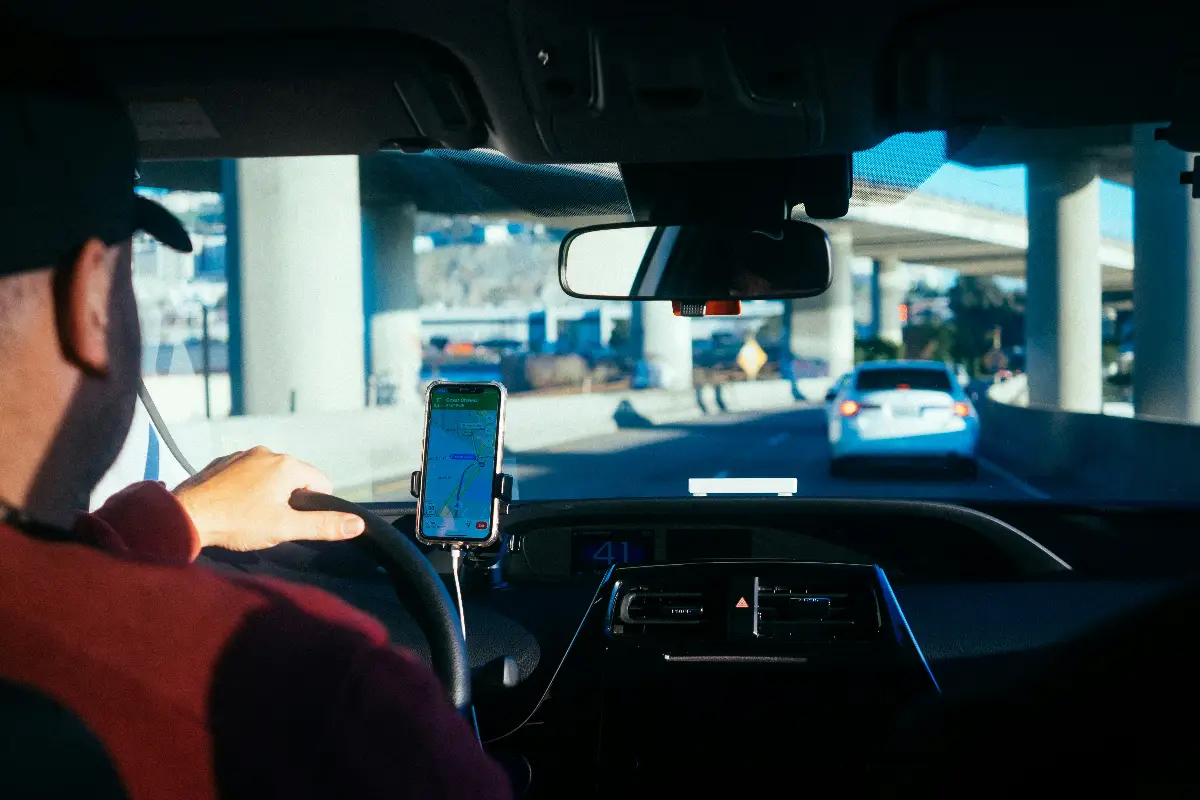
Driving is a critical profession that needs a lot of care, safety and security. These days, AI has revolutionized all technology. The devices equipped with AI perform better and ensure enhanced safety while you are on the road. In this iDrive AI dashcam review, features, pricing, and AI-enabled safety tools are covered in detail, so you know exactly what this dashcam offers before adding it to your fleet.
If you are the person who runs a fleet and is looking for a perfect dashcam that offers AI features, you have certainly landed on the right page. Dashcams with AI have become the new normal, and every vehicle or fleet owner is rushing to install them to ensure maximum safety. Once installed, you can see a dramatic shift to safer driving habits, since drivers tend to adjust their behavior on their own once they know fatigue, distraction, and tailgating are being tracked in real time.
What Is the iDrive PRO7?
Cameras with two lenses stand out among other products aimed at truck drivers and transport teams. The first lens keeps its eye on the street and traffic outside. The second lens stares into the driver’s space. Most dashcams only show what happens ahead, but the PRO7 covers both sides of the story.
Behind those glass circles hides a computer brain. A special AI chip does the thinking right inside the case. Nothing gets sent to a faraway cloud first. With power right on board, the PRO7 might spot risky moments in real time, not after a long wait. Maybe a driver glances at a phone or looks tired. Maybe the truck creeps too close to another car. The camera probably knows before anyone else does.
The front-facing camera gathers the scene outside in crisp detail. If a crash or argument happens, reviewing that video might clear up confusion. The eye on the cabin does not relax, either. Watching the driver’s face, following where the head turns, or checking for bad habits, the indoor camera catches the moments that often go unnoticed. Two cameras together often tell a deeper story about the journey than a camera that stares only at the road.
Heavy use comes naturally to the PRO7. Nothing on the outside feels weak or flimsy. IdriveAI made the PRO7 for permanent spots inside vehicles that work hard. Suction cups or Velcro strips never enter the picture here. Commercial drivers may need something that stays in place, day after day, and the PRO7 probably fits that need.
Key Features
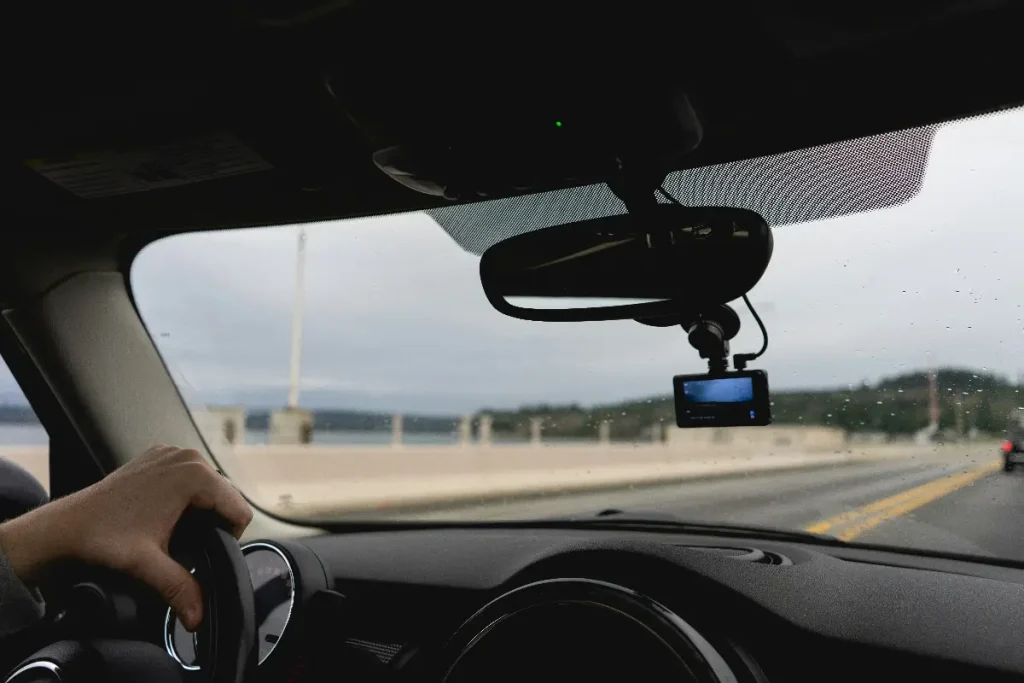
Managers want real safety, not party tricks. The PRO7’s AI chip rolls out a lineup of helpful features. Each one tries to tackle a headache that keeps fleet leaders awake at night. Here is what the PRO7 promises to do, and why these abilities might actually matter for those who send vehicles into the world every day:
- Fatigue and Distraction Detection: The driver-facing camera watches for drooping eyes, yawning, and a wandering gaze. When the system spots trouble, it alerts the driver in real time with an audible warning. Tired driving quietly wrecks more vehicles than most managers admit. If you want a broader look at similar technology in tough environments, our guide to AI dashcams for construction vehicles covers the wider field.
- Facial Recognition: The PRO7 can identify who is behind the wheel. That capability ties trip data to specific drivers automatically, without manual log-ins. For fleets that rotate drivers across shared vehicles, knowing exactly who drove when removes a lot of guesswork.
- Safe Distance Warning: Using the road-facing lens, the camera measures the gap to the vehicle ahead. Tailgate too closely, and the driver hears a prompt to back off. Rear-end collisions are common and expensive, so a nudge to keep space may pay for itself.
- Self-Installation: IdriveAI designed the PRO7 to be fitted without a professional technician. The kit ships with mounting parts and wiring guides. Handy fleet staff can probably manage the job, though patience helps.
- Cloud Integration: Footage and event data can sync to a cloud dashboard. Managers review incidents, check driver scores, and pull clips from a computer rather than fetching an SD card from each vehicle.
Every function points toward a single target: stopping problems before they explode. Spotting drowsy eyes protects drivers in real time. Face scans and cloud backups support managers who want a clear trail after the fact. Those who want stronger safety and better coaching might find that the PRO7 covers both sides.
How It Compares to Other AI Dashcams
Most dashcams with built-in AI seem to chase people who drive for fun or part-time gigs. For those cameras, features usually highlight moving footage between cars, easy parking mode, or apps for quick sharing. Some rideshare-focused devices watch the inside of the car, but do not bother with company-level controls. The PRO7 probably fills a gap for serious fleets that need something more rugged, more reliable, and ready for heavier tasks.
A giant gap appears right on the dashboard screen. Most rideshare drivers probably never need a control panel for tracking a crowd of vehicles. Fleet supervisors do. The PRO7 expects someone to watch over several drivers, compare how the group behaves, and pull records for insurance teams or safety checks. Regular personal cameras may not handle that level of oversight at all.
Face recognition splits the two groups apart again. Personal cameras almost always skip identifying one driver, since there is usually just a single person behind the wheel. In a shared fleet, automatic driver recognition can change how daily responsibility works for everyone.
Price and setup draw another line between the audience for each type. Consumer dashcams cost less. Quick adhesive sticks them to glass in almost no time. The PRO7 expects a permanent setup and a larger wallet. Rideshare drivers or people who just want a simple lens in a personal car may love the choices in our guide to the best AI dashcams for rideshare platforms. Fleet operators needing real control over a team might appreciate the PRO7, since single drivers might not need so much power. If you are interested in safety dashcam equipment, do check out the AI-powered dashcams for rideshare drivers.
Pricing
IdriveAI sets PRO7 prices in the same range as real commercial tools, not the cheap accessories found in shops. Hardware for each unit might cost much more than an ordinary consumer lens. The price tag usually covers two lenses, a special AI core, and a tougher design built for daily work in active fleets.
Hardware does not tell the whole story. The remote dashboard and cloud video access usually come as a subscription service. Monthly fees rise as the number of tracked vehicles goes up, so bigger fleets may see much higher bills than owners of just a couple trucks.
Pricing rules depend on how many vehicles a business manages, which contract they sign, and what support package they request. IdriveAI almost always gives custom quotes instead of listing a set price. Anyone aiming to buy probably needs to ask for a cost based on their actual fleet size. Plan for the upfront hardware and the ongoing monthly fee too. The real price after a year will probably run higher than just the starting payment.
Who It Is For
Certain company models fit neatly with the PRO7, while others might not. Matching the right dashcam to the job matters more than any long feature checklist. A tool built for watching over a whole line of trucks may overwhelm a single vehicle owner. Here comes an honest breakdown of where the PRO7 fits and where it probably does not.
- Commercial Fleet Managers: This is the core audience. Running oversight across many vehicles is exactly what the PRO7 was built for. The cloud dashboard, driver scoring, and centralized footage turn a scattered fleet into something a manager can actually watch. The more vehicles you run, the more the system earns its place.
- Passenger Transportation Operators: Shuttle, bus, and van operations carry a duty to keep riders safe. Driver monitoring flags fatigue before it endangers passengers, and facial recognition ties every trip to a known driver. For businesses that move people, that layer of accountability holds real weight.
- Small Owner-Operators: A one-truck business may find the PRO7 more machine than the job needs. The hardware cost, the subscription, and the fleet-scale dashboard aim at groups, not a single driver. The value probably thins out when there is only one vehicle to watch.
- Personal or Rideshare Drivers: A simpler consumer dashcam almost certainly serves these drivers better. Lower price, quick mounting, and an easy app cover most personal needs. The PRO7’s management tools would sit unused.
The pattern arrives fast. The PRO7 may work best for people who direct a whole team and want a careful log for each driver. A tiny fleet with one or two vehicles may find the value drop sharply. That leads to the question every shopper needs to stop and think about. Where could the PRO7 actually miss the mark?
Where It Falls Short
No camera fits every person, and the PRO7 definitely brings a few trade-offs. Cost stands out first for small groups. A single-vehicle operator pays for tools they might almost never use, and the repeating subscription makes the gap even wider as months pass. Spending fleet-level cash for a solo truck does not always make sense.
Self-installation can feel like a double-edged sword. The chance to skip professional help saves a good portion of the budget. Wiring and setup, though, may test anyone’s patience. Some crew members probably have never touched a hardwired camera before. That first attempt might come with stumbles. Hurrying the process often leads to shaky mounts. Askew camera views may miss the important moments.
Cloud tools rely on a subscription that needs constant renewal. Ending payments may silence the remote dashboard. Stored videos and driver alerts might stop working. The camera itself keeps capturing video, but the most helpful parts hide behind the paid membership. Anyone considering the system should see that subscription as part of the main package, not an extra.
iDrive PRO7 Dashcam at a Glance
Before deciding whether the PRO7 fits your fleet, it helps to see its core specs laid out in one place. The table below summarizes the hardware, AI features, and setup details that matter most for a buying decision.
Conclusion
The iDrive PRO7 is a capable piece of fleet safety hardware, best judged by the size and type of operation buying it. Drowsy and distracted driving remain leading safety concerns for commercial vehicle operators, and the PRO7 directly targets both with real-time alerts and driver monitoring. For managers running several vehicles or a passenger transport business, the dual lenses, facial recognition, and cloud oversight probably justify the cost. For a single owner-operator or a rideshare driver, a simpler camera makes more sense. Weigh the hardware price and the subscription honestly, plan for a self-install learning curve, and the PRO7 stands as a sensible investment for fleets that genuinely need group oversight.