
Scroll through Netflix or step into a multiplex, and you might notice something odd. The superhero blockbuster, the prestige drama, and the romantic comedy all share an eerily similar visual quality. Everything looks clean, sharp, and strangely flat. This uniformity has sparked a growing backlash among filmmakers and viewers who argue that digital cinematography has stripped cinema of its soul.
The shift from film to digital seemed inevitable. Digital cameras promised lower costs, instant playback, and limitless takes. By 2015, most Hollywood productions had abandoned traditional film stock entirely. But as the technology matured, something unexpected happened. Audiences started complaining that movies had lost their magic.
The Visual Sameness of Digital Cinema
Digital sensors capture images differently than film. They render shadows as deep blacks and highlights as blown-out whites, with less nuance in between. This creates what cinematographers call a “flat” or “video-like” quality. The texture disappears. The warmth vanishes.
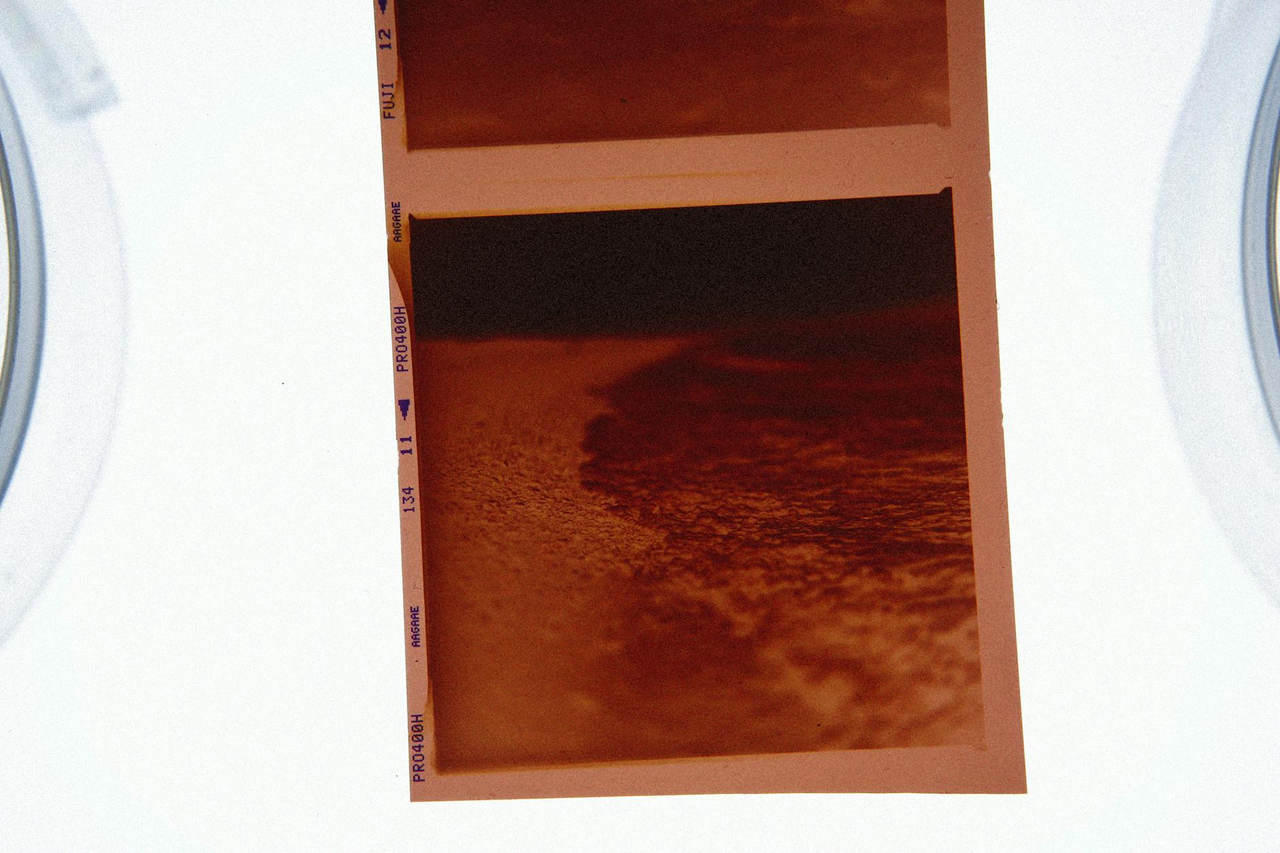
Film stock contains silver halide crystals that respond organically to light. Each frame captures subtle grain patterns and colour variations that give images depth and character. Digital sensors, by contrast, process light through algorithms. The result is mathematically perfect but emotionally cold.
This technical difference matters because cinema is an emotional medium. The slight imperfections of film stock created a subconscious warmth. Viewers connected with images that felt handcrafted rather than computer-generated. Digital’s clinical precision, while impressive, often fails to evoke the same response.
Why Everything Looks Like a TV Show
The “soap opera effect” describes the hyper-smooth motion that makes feature films look like daytime television. Traditional film ran at 24 frames per second, creating natural motion blur. Many digital cameras shoot at higher frame rates, and modern televisions artificially add frames to smooth motion further.
This technological shift removed cinema’s dreamlike quality. Higher frame rates show too much detail. They make fantasy worlds look like stage sets and practical effects look fake. The viewer becomes hyper-aware they’re watching a constructed reality.
Streaming platforms compound this problem. Most viewers now watch films on phones, tablets, or televisions with aggressive motion smoothing enabled by default. A cinematographer’s careful work gets processed through algorithms designed for sports broadcasts, not artistic expression.
The Colour Grading Conformity
Digital cinematography enables unprecedented control over colour in post-production. Editors can adjust every pixel individually. This freedom should have created visual diversity, but the opposite occurred.
Hollywood adopted standardised colour palettes. Orange and teal dominate action films. Desaturated blues signal serious drama. Instagram-style filters spread across genres. Studios discovered these looks tested well with focus groups, so they applied them everywhere.
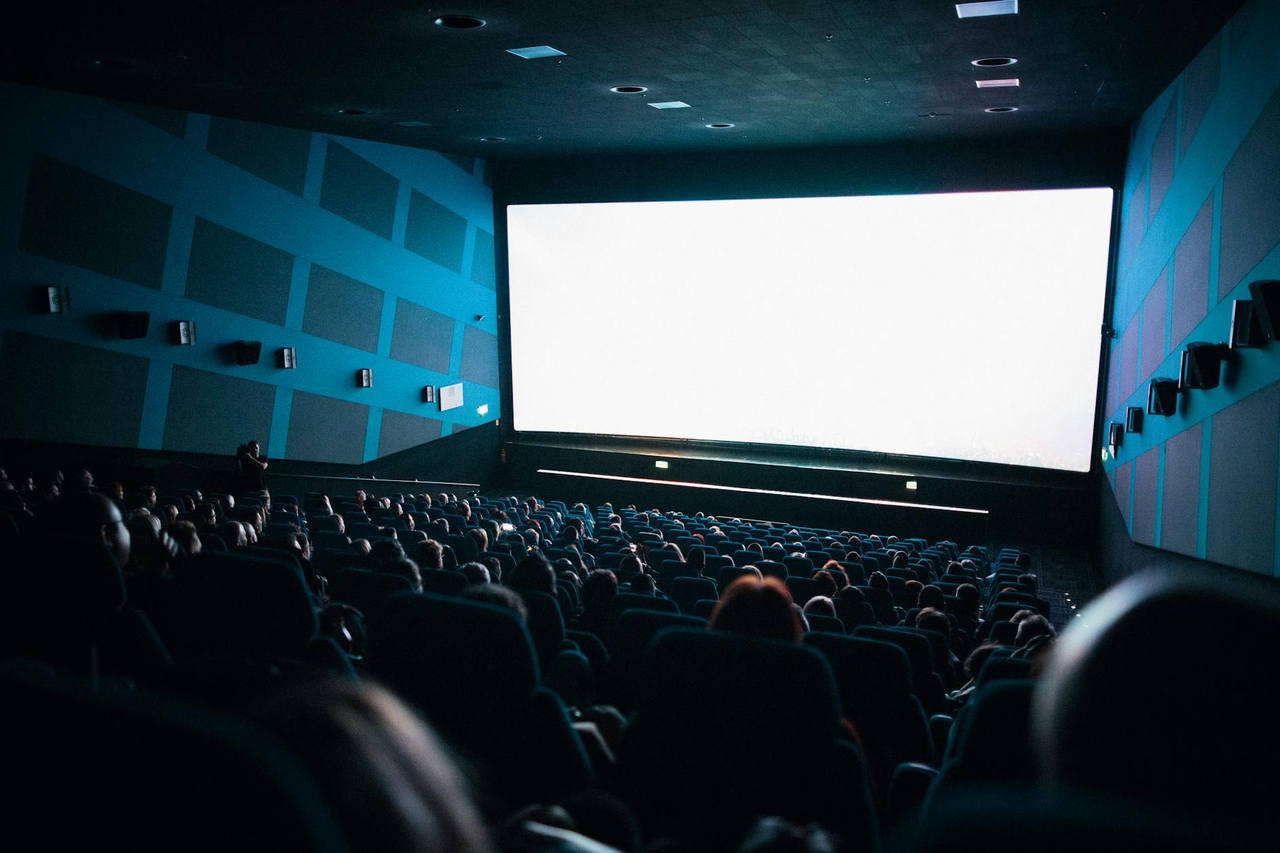
The ubiquitous digital intermediate process means all films pass through similar software and workflows. Colourists often reference the same popular films when grading new projects. This creates a feedback loop where distinctive visual styles get smoothed into industry-standard templates.
The Cost of Convenience
Digital cameras transformed production logistics. Directors could shoot for hours without changing film magazines. Producers saved money on film stock and processing. Studios could review footage immediately.
But these conveniences changed set behaviour. With unlimited digital storage, directors shot excessive coverage. The discipline imposed by expensive film stock disappeared. Cinematographers spent less time crafting individual shots and more time capturing everything from every angle.
This quantity-over-quality approach shows in the final product. Films feel less considered. Individual frames lack composition and intention. Editors assemble scenes from hundreds of generic takes rather than a handful of purposeful ones.
The Indie Film Renaissance
A growing number of independent filmmakers are rejecting digital conformity. Directors like Paul Thomas Anderson, Christopher Nolan, and Greta Gerwig continue shooting on film. Their commitment sends a message that visual character matters more than technical convenience.
Younger filmmakers are rediscovering vintage cameras and expired film stock. The imperfections once seen as limitations now serve as creative tools. Light leaks, grain, and colour shifts add personality that digital sensors cannot replicate.
Some cinematographers deliberately introduce “flaws” into digital footage. They add grain in post-production, use vintage lenses, or apply diffusion filters to soften the clinical digital sharpness. These techniques attempt to recapture film’s organic quality within digital workflows.
New Digital Tools With Old Souls
Camera manufacturers are responding to the backlash. ARRI‘s ALEXA series incorporates film-like colour science and organic texture rendering. RED cameras offer RAW recording that preserves latitude similar to film stock. These tools bridge the gap between digital convenience and analogue character.
Software developers now create plugins that authentically emulate specific film stocks. Unlike simple grain overlays, these tools model the complex ways silver halide crystals respond to light. The results more closely approximate genuine film photography.
What This Means for Cinema’s Future
The backlash against lifeless digital cinematography represents more than nostalgia. It reflects a genuine concern about visual storytelling in the streaming era. When all films look the same, they become interchangeable content rather than distinct artistic works.
The solution isn’t abandoning digital technology. Film stock remains expensive and impractical for many productions. Instead, filmmakers must resist the pressure toward visual conformity. They need to prioritise distinctive imagery over algorithmic perfection.
This shift requires conscious effort. Cinematographers must push back against studio demands for “safe” colour palettes. Directors need to value visual character over unlimited takes. Audiences should seek out films that take visual risks rather than defaulting to algorithmically recommended content.
Cinema’s soul doesn’t reside in the capture medium itself. It lives in the intention behind every frame. Whether shot on film or digital, meaningful imagery requires vision, discipline, and the courage to look different. The lifeless quality plaguing modern cinema stems not from the technology but from an industry that has forgotten why visual character matters.
If you’re a filmmaker struggling against the flat, lifeless look of modern digital cinema, start by studying films shot on traditional stock. Notice how light falls, how colours interact, and how grain adds texture. Then bring those lessons into your digital work. Experiment with vintage lenses, reject safe colour choices, and prioritise distinctive imagery. Your audience will notice the difference.