
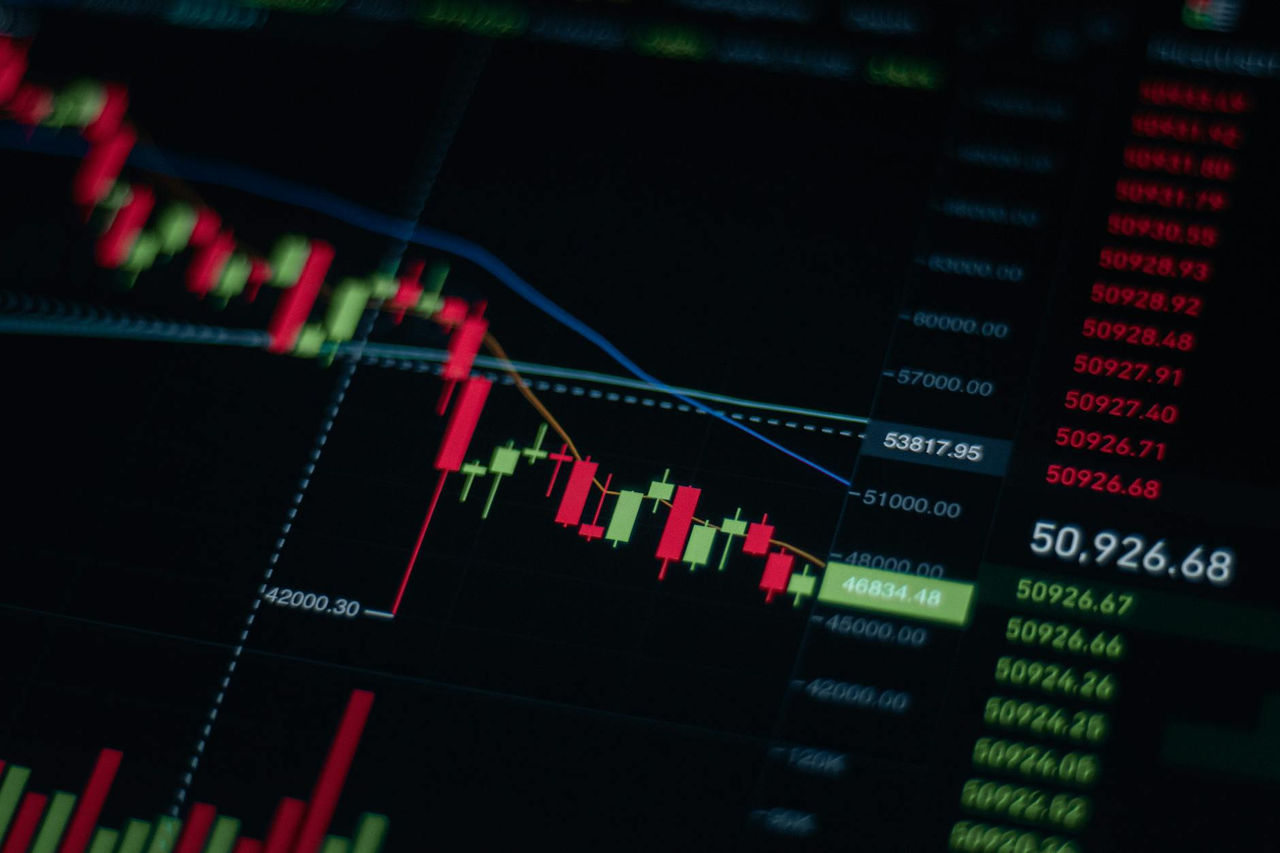
You pull up to the pump and see the numbers climbing higher than last week. Again. Increasing gas prices have become a daily reality for millions of drivers, turning routine fill-ups into budget-busting expenses. Whether you’re commuting to work or planning a road trip, the relentless rise in fuel costs affects nearly every aspect of your life.
The current surge in gas prices didn’t happen overnight. A complex mix of global events, supply chain disruptions, and geopolitical tensions have combined to push fuel costs to levels many haven’t seen in years. Understanding what’s driving these increases can help you make smarter decisions about your transport and budget.
What’s Causing Gas Prices to Spike?
Several factors work together to push fuel prices higher. The global oil market operates as a delicate balance of supply and demand, and any disruption sends ripples through to your local petrol station.
Crude oil prices form the foundation of what you pay at the pump. When oil becomes more expensive, refineries pay more to produce petrol and diesel. Those costs pass directly to consumers. Recent years have seen significant volatility in oil markets due to production cuts, pandemic recovery, and shifting demand patterns.
Refining capacity also plays a role. Many refineries operate at maximum capacity, and unexpected maintenance or weather-related shutdowns can quickly reduce supply. When supply tightens while demand remains steady or grows, prices climb.
Distribution costs and state taxes add layers to the final price. Different regions experience different price points based on local taxes, transportation distances, and regional supply dynamics. This explains why crossing a state border sometimes means dramatically different prices at the pump.
How War and Global Tensions Affect Fuel Costs
Geopolitical instability has always influenced oil prices, but recent conflicts have amplified this effect. When war erupts in or near oil-producing regions, markets react immediately with price increases based on supply uncertainty.
Tensions involving major oil producers create what economists call a “risk premium” in oil prices. Traders price in potential supply disruptions before they even happen. Countries like Iran, which holds significant oil reserves, become focal points during periods of heightened Middle Eastern tensions. Sanctions, threats, or actual conflicts involving these nations can restrict oil flow to global markets.
Since the outbreak of major conflicts in recent years, oil markets have experienced sharp volatility. Supply routes face threats, production facilities become targets, and international sanctions limit which countries can sell oil freely. Each development sends shock waves through global markets that eventually reach your local fuel station.
The interconnected nature of global oil trade means disruptions anywhere affect prices everywhere. Even if your country doesn’t import oil from a conflict zone, the global price still rises because other nations compete for available supplies from alternative sources.
Real Impact: How Higher Prices Affect Daily Life
Rising fuel costs don’t just mean expensive fill-ups. They create a cascade of financial pressures that touch multiple areas of your budget.
Commuters face the most direct impact. If you drive 30 miles to work each day, a one-dollar increase in gas prices can add hundreds of dollars to your annual expenses. Some workers now spend a significant portion of their salary just getting to their jobs. This has sparked difficult conversations about remote work, carpooling, and even job changes.
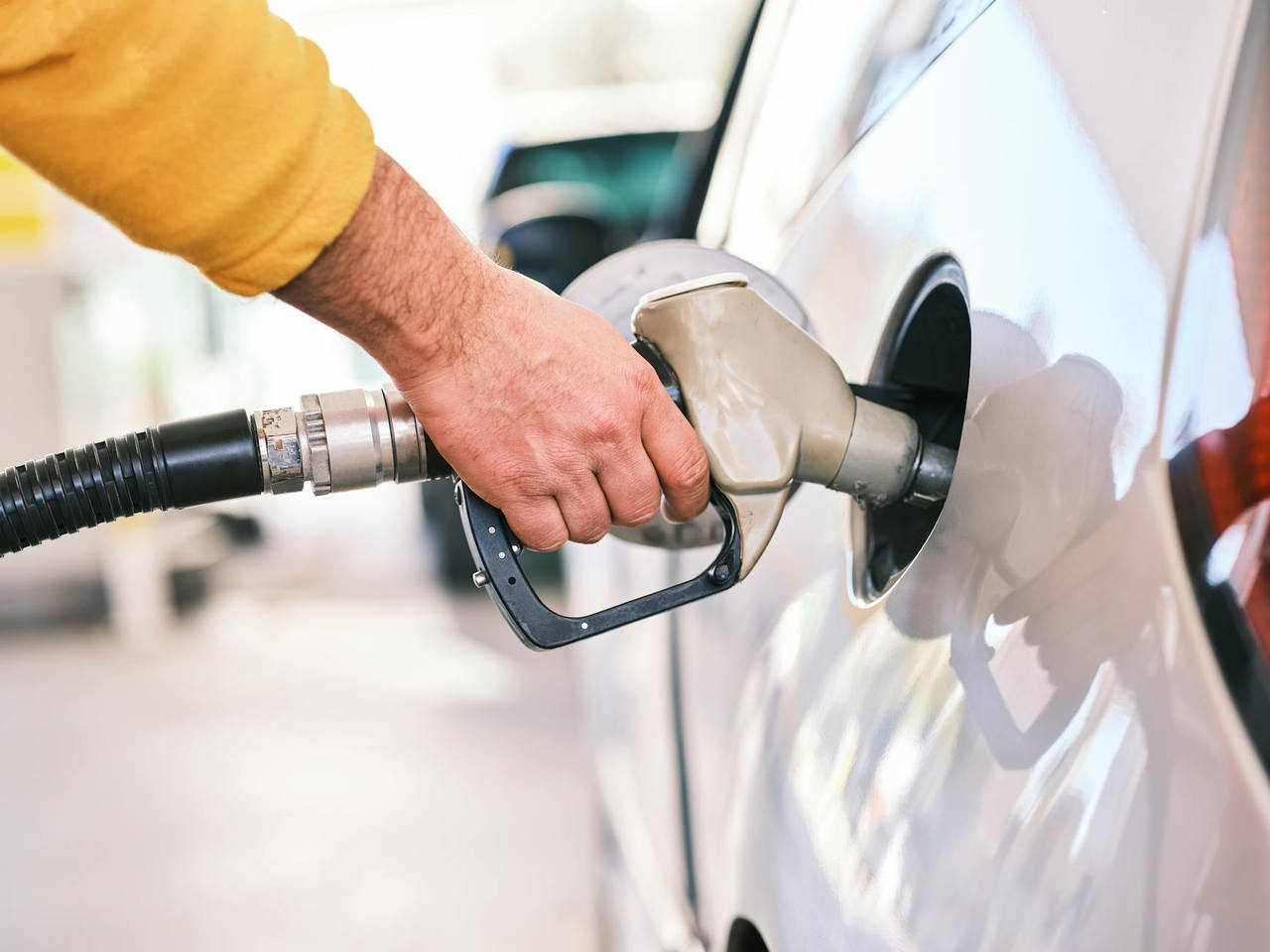
Delivery costs rise across the board. Everything that travels by truck becomes more expensive, from groceries to online purchases. Inflation accelerates when fuel prices increase because transportation is embedded in nearly every product’s cost structure.
Small businesses and independent contractors feel the squeeze acutely. Plumbers, electricians, delivery drivers, and sales representatives who rely on vehicles for their livelihood see profit margins shrink. Some must choose between raising prices and absorbing costs themselves.
Families adjust travel plans and cut discretionary driving. Weekend trips become less frequent. Visits to distant relatives happen less often. The social and emotional costs of isolation add to the financial burden.
Could High Prices Accelerate Electric Vehicle Adoption?
Every crisis creates opportunity, and increasing gas prices have pushed electric vehicles (EVs) into serious consideration for many drivers. The question isn’t whether you should feel hopeful about this shift, but whether it represents a practical solution.
High fuel costs make the economic case for EVs more compelling. When gas prices cross four dollars per gallon and climb higher, the cost savings from switching to electric power become substantial. EV owners essentially lock in lower, more stable “fuel” costs through electricity rates.
Charging an EV typically costs the equivalent of one to two dollars per gallon of petrol, depending on local electricity rates. This gap widens as gas prices increase. Over the lifetime of a vehicle, these savings can offset the higher purchase price of many EV models.
Infrastructure improvements have made EV ownership more viable. More charging stations appear each month, reducing “range anxiety” that once deterred buyers. Government incentives and tax credits further reduce the barrier to entry.
However, challenges remain. Upfront costs still put EVs out of reach for many households. Apartment dwellers may lack charging access. In some regions, electricity grids already face strain during peak demand. The transition will happen gradually, not overnight.
Practical Strategies to Reduce Your Fuel Spending
You can’t control global oil markets, but you can control how much fuel you consume. These actionable steps help stretch every gallon further.
Optimise your driving habits. Aggressive acceleration and hard braking waste fuel. Drive smoothly, maintain steady speeds, and anticipate stops. These changes alone can improve fuel economy by 15-30 percent.
Maintain your vehicle properly. Underinflated tyres increase rolling resistance and reduce fuel economy. Check tyre pressure monthly. Keep your engine tuned, change oil on schedule, and replace air filters when needed. A well-maintained car runs more efficiently.
Consolidate trips and plan routes. Combine errands into single outings rather than making multiple trips. Use navigation apps that show traffic and suggest efficient routes. Every mile avoided is money saved.
Consider carpooling or public transport. Sharing rides cuts individual fuel costs dramatically. Even commuting with one other person halves your per-person expense. Public transport, where available, often costs far less than driving.
Compare prices before filling up. Fuel prices can vary significantly between stations in the same area. Apps like GasBuddy show real-time prices near you. A few minutes of research can save several dollars per tank.
Use loyalty programmes and credit card rewards. Many petrol stations offer loyalty cards that provide discounts. Some credit cards give higher cash back on fuel purchases. These small percentages add up over time.
Reduce unnecessary weight and drag. Remove heavy items from your boot. Take off roof racks when not in use. Extra weight and wind resistance force your engine to work harder and consume more fuel.
Looking Ahead: What to Expect from Future Prices
Predicting fuel prices with certainty is impossible, but understanding trends helps you prepare. Most analysts expect continued volatility in the near term as global tensions remain unresolved and production adjusts to shifting demand patterns.
Seasonal variations will continue. Prices typically rise during summer driving season when demand peaks. They often fall slightly in autumn and winter. Planning major trips during lower-price periods can generate savings.
Long-term trends point toward gradual reduction in oil dependence as renewable energy and electric vehicles gain market share. This transition will unfold over years and decades, not months. In the meantime, traditional fuel prices will respond to the same forces that have always driven them: supply, demand, and geopolitical stability.
Your best strategy combines immediate action with long-term planning. Implement fuel-saving measures now while considering whether your next vehicle might be hybrid or electric. Stay informed about developments that affect oil markets so sudden price changes don’t catch you unprepared.
Increasing gas prices challenge household budgets and force difficult choices. But understanding the forces behind these increases gives you power to respond effectively. Start with the strategies outlined here, track your fuel spending, and adjust your habits based on what works best for your situation. Small changes compound into significant savings, helping you weather this period of high prices while preparing for whatever comes next.