
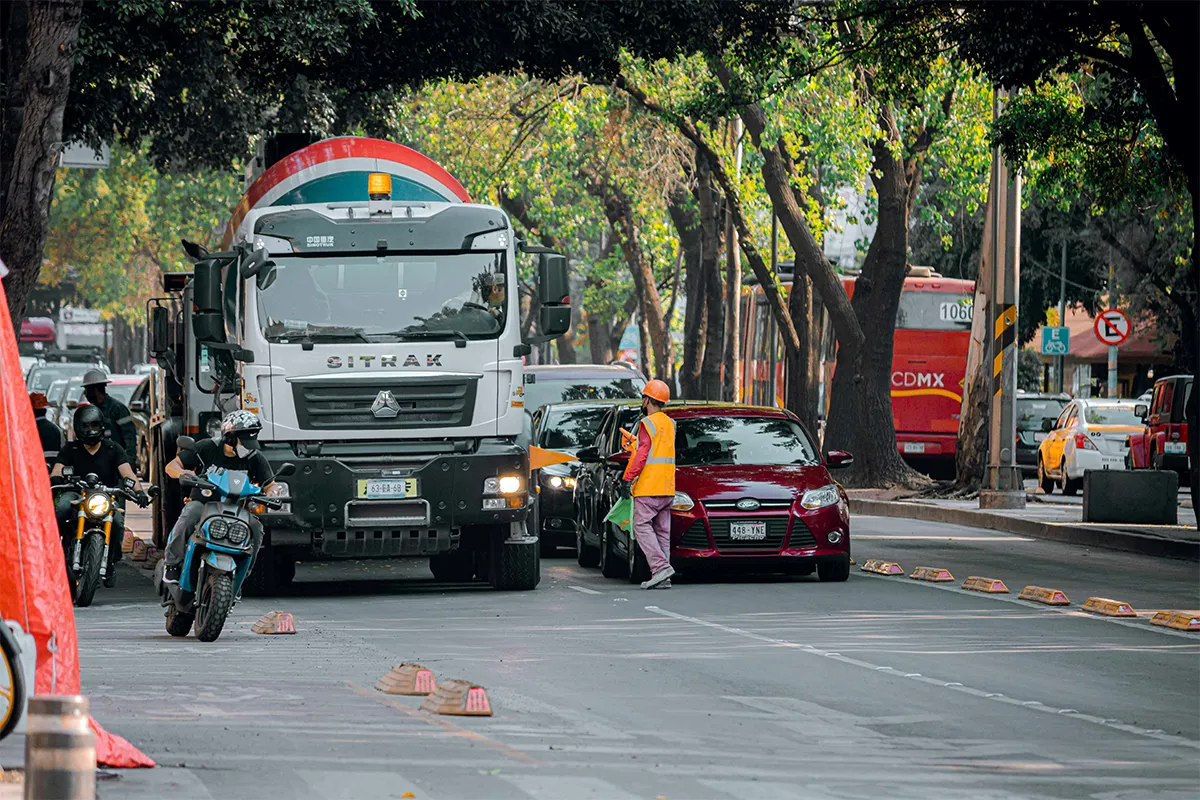
Construction vehicles are the most dangerous to drive. They have to take care of sharp corners, drive through busy roads, and load and unload construction material at fixed spots. Therefore, it becomes indispensable for them to have one of these top 10 AI dashcams for construction vehicles in 2026. These AI-powered dashcams enhance your safety and make sure that you are aware of each and every potential risk.
Why is it important to install only AI dashcams on your construction vehicles? There are certain new features that ensure additional safety, security, and added peace of mind. It can watch the road spot risky driving, and save the right video clips when something happens. The right video footage also helps when there is a complaint or a claim. Additionally, the fast object recognition, in-cabin alerts, lane assist, and real-time risk detection can help avoid small mistakes that lead to a serious accident.
Top 10 AI Dashcams for Construction Vehicles
These ten choices are real fleet products from well-known brands. Each one uses AI to detect risk and make video review easier. Use the list to match features to your construction vehicles and routes.
1. Samsara CM32 Dual-Facing Dash Cam
In many construction fleets, AI dashcams for heavy vehicles need more than one camera view. Samsara CM32 is built as a dual-facing dash camera that records the road and the cab at the same time. Its datasheet describes automatic upload and analysis of events like accidents and harsh driving, with video going to a cloud dashboard for review.
For day-to-day safety, the value comes from speed and focus. Instead of searching through long video files, the system can surface key moments and support coaching. For a fleet that wants a real-time AI dashcam for construction fleets, Samsara also highlights real-time AI detections and in-cab coaching support.
Pros:
- Road-facing – Driver-facing HD video.
- Fast incident clips in the cloud.
- In-cab voice coaching supported.
- Strong uptime and device health.
Cons:
- Requires ongoing subscription costs.
- Works best in the Samsara ecosystem.
- Driver-facing use needs a clear policy.
- Needs strong cellular coverage.
2. Motive AI Dashcam
Strong video is useful, but clear alerts are often what drivers notice first. Motive markets its product as an AI dash cam powered by computer vision, with real-time alerts and automated coaching support. The dual-facing spec sheet also describes detecting many unsafe behaviors using an AI processor. A short Motive AI dashcam review can help you confirm that its alerts, dual-facing video, and coaching tools match your daily routes.
During a long shift, a small warning can prevent a bigger problem. That is why many fleets compare Motive when they want a simple system that pushes safer habits in the moment. For managers choosing a dual-facing AI dash cam for work trucks, the product pages and spec sheets stay focused on fleet safety, alerts, and review.
Pros:
- A dual-facing camera option is available.
- Many unsafe behaviors were detected.
- Clear in-cab audio alerts.
- The quick capture button is helpful.
Cons:
- Alerts can feel too frequent.
- Setup needs careful alert tuning.
- Subscription cost adds up.
- Driver privacy concerns need a policy.
3. Nauto AI Dashcam
Some fleets want the camera to act like a safety helper, not only a recorder. Nauto describes a dual-facing camera with external sensors designed to detect distracted and drowsy driving in real time. That focus matters in construction fleets where long days and early starts are common.
Better safety also depends on fast access to the right video clip. Nauto promotes on-demand video requests that help safety teams obtain dual AI dash cam video quickly. That can reduce delays during claims review. For teams prioritizing an AI dashcam with driver distraction alerts for contractors, Nauto’s own product description matches that goal directly.
Pros:
- Strong distraction and drowsiness focus.
- Real-time driver behavior alerts.
- Predictive collision alerts can help.
- Good for coaching programs.
Cons:
- Best results need active coaching.
- Needs good camera placement.
- Driver pushback can happen.
- Depends on consistent connectivity.
4. Lytx DriveCam
Many fleet leaders want AI dashcams for work trucks that have been in commercial use for years. Lytx describes DriveCam as an AI-powered commercial dash cam with sensors that help assess what is happening on the road and inside the vehicle. The company also explains its use of machine vision and artificial intelligence to detect risky behavior.
On construction routes, risk is not always a single big moment. More often, small patterns build up, such as following too close or looking away at the wrong time. Lytx highlights real-time alerts that help drivers self-correct, which supports steady improvement without long meetings. As a fleet dashcam with AI coaching for heavy-duty trucks, DriveCam is presented as a blend of detection, alerts, and coaching support.
Pros:
- Mature video safety program tools.
- In-cab alerts support self-correction.
- Strong risk detection with MV+AI.
- Privacy options can reduce concerns.
Cons:
- Program setup can feel complex.
- Costs rise with larger fleets.
- In-cab video raises privacy issues.
- Livestream has a possible delay.
5. Verizon Connect AI Dashcam
When a fleet wants a well-known telematics provider, Verizon Connect often comes up early in the search. Verizon Connect describes AI-powered dashcams that offer real-time alerts, HD video, and driver coaching, with a focus on safety and risk control. It also explains how a dual-facing AI dashcam analyzes driving behavior and warns drivers about risks.
In construction work, an incident review often needs speed, not guesswork. A camera that clips events and ties them to safety alerts can reduce confusion after harsh braking, near misses, or lane events. For fleets that want an AI dashcam system for construction company vehicles, Verizon Connect positions its solution for fleet installs and ongoing safety management. For smoother installs across many trucks, AI dashcam service kits can help with mounting, wiring, and quick replacements.
Pros:
- Dual-facing AI dashcam supported.
- Real-time alerts for risky driving.
- Fits fleets using Verizon tools.
- Good for incident video proof.
Cons:
- Best value inside the Verizon platform.
- Audio recording is disabled by default.
- Costs can be higher.
- Needs solid installation and tuning.
6. Teletrac Navman IQ Camera
Some fleets want a simple entry into video telematics that still feels smart. Teletrac Navman describes the IQ Camera as AI-powered, with driver status monitoring, real-time feedback, and instant video access. It also states that video AI reviews drive time so managers can understand behavior and validate insurance claims.
Large construction vehicles also bring special risk, especially with stopping distance and blind spots. A system that supports quick access to footage can help when a small contact becomes a bigger dispute. For operators focused on mixers, dump trucks, and similar vehicles, it can fit as an AI dashcam for cement mixer and dump truck safety, because the product is described around driver monitoring, feedback, and fast evidence.
Pros:
- Simple entry into video telematics.
- Driver status monitoring included.
- Real-time feedback for drivers.
- Instant video access is useful.
Cons:
- Advanced features may cost extra.
- It may feel basic for some.
- The setup still needs training.
- Connectivity issues can reduce value.
7. Netradyne Driveri
A camera can record, but a great one can guide. Netradyne describes its fleet camera system as an all-in-one AI solution, with configurable in-cab alerts and live coaching. Its alert list includes distraction, following distance, drowsiness, seatbelt, and more.
Across a construction fleet, consistency is often the hardest part. Different drivers, different routes, and different job sites can lead to different habits. A system with clear alerts and steady reporting can help supervisors coach in a fair way. For many field teams, this fits well as an AI dashcam for utility trucks and field service fleets, because it is designed around in-cab alerts plus manager review tools.
Pros:
- Captures and analyzes driving time.
- Strong in-cab alerts and coaching.
- Helpful event context and scoring.
- Good for habit-building coaching.
Cons:
- Drivers may resist in-cab monitoring.
- Alert tuning takes steady work.
- A platform learning curve exists.
- Costs can grow with scale.
8. MiX Vision Ai
Some construction fleets want dashcams with the best apps for video and telematics in one view, so safety data and vehicle data sit together. MiX by Powerfleet describes MiX Vision AI as an advanced dashcam system that prevents collisions and monitors driver behavior. It also describes real-time alerts and a mix of road-facing and in-cab events.
Training gets easier when the system highlights the right moments. Instead of guessing why a score dropped, managers can review the event and coach with facts. For teams working with rules, audits, or internal safety checks, MiX Vision Ai can support AI video telematics for construction fleet compliance, since it is built around video events, alerts, and reporting for fleets of many sizes.
Pros:
- AI driving coach gives visual alerts.
- Real-time risk events are flagged.
- Good for mixed fleet types.
- Strong telematics and video together.
Cons:
- Some features need an extra camera.
- Works best within the MiX platform.
- The setup needs careful configuration.
- Cellular gaps can limit alerts.
9. SureCam
Some fleets want a platform that feels simple, even when it uses advanced tools. SureCam describes its product as combining real-time video, AI-enabled safety insights, and driver coaching, with AI-powered in-cab nudges that help drivers self-correct.
Construction work often shifts between roads and job sites, so some teams also ask for dashcams with the longest battery life for brief off-power recording. A system that clips key events and supports coaching can reduce repeat risk, and it can also protect drivers from false claims. For teams that want a cloud-connected AI dashcam for jobsite vehicles, SureCam’s core message matches that need through real-time video, AI insights, and coaching tools.
Pros:
- Real-time video and GPS together.
- AI nudges help self-correct.
- Live streaming supports quick checks.
- Simple platform for busy teams.
Cons:
- Live video needs a strong signal.
- Costs rise with cloud storage.
- Driver-facing use needs consent.
- Alert tuning still takes time.
10. Solera SmartDrive
Some fleets prefer a full safety program, not only a camera. Solera explains that its video safety goes beyond fleet dash cams, using a continuous improvement process with analytics to help manage, coach, and influence driver behavior. SmartDrive also presents itself as a video safety program and analytics platform built to prevent collisions and lower risk.
In construction, cost is not only for repairs. Downtime, claims, and lost trust can also hit hard. A program that supports coaching and steady improvement can help a fleet show real progress over time. For companies that need strong protection and clear evidence, it fits as a commercial AI dashcam for contractor liability protection, because it is designed around video-based safety, coaching, and risk control.
Pros:
- Program-style safety with analytics.
- Continuous improvement coaching process.
- Helps manage, coach, and reward.
- Strong for claims and risk.
Cons:
- The program approach can feel heavy.
- Coaching workflow needs commitment.
- Costs can increase by fleet.
- Driver privacy needs clear rules.
Comparison Table: AI Dashcams for Construction Vehicles
| Product (Official name) | Best fit for construction fleets | Camera views | In-cab alerts | AI focus you actually use | Platform strength |
|---|---|---|---|---|---|
| Samsara CM32 Dual-Facing Dash Cam | Fleets that want safety video and a strong dashboard workflow | Road-facing – Driver-facing | Yes, audio and voice coaching supported | AI safety detections and event capture | Cloud review and reporting built in |
| Motive AI Dashcam | Fleets that want active driver alerts and coaching | Dual-facing available | Yes, audio and visual alerts listed | Computer vision detections for unsafe behaviors | Fleet safety workflow and coaching automation |
| Nauto AI Dashcam | Fleets focused on distraction and drowsiness risk | Dual-facing and external sensors | Real-time driver risk alerts, positioned for prevention | Distraction – drowsiness – in-cab and external risks | A safety program approach for fleets |
| Lytx DriveCam | Fleets that want a mature safety program with real-time feedback | Road-facing – In-cab coverage described | Yes, in-cab audio and visual alerts | Machine-vision and AI risky behavior detection | Strong review, notifications, and coaching flow |
| Verizon Connect AI Dashcam | Fleets that want a widely used telematics vendor with AI video | Dual-facing described | Yes, real-time alerts and configurable audible alerts | Distraction, close following, and drowsiness-style events | Integrated video inside the fleet platform |
| Teletrac Navman IQ Camera | Fleets wanting a simple, connected entry into video telematics | Video telematics camera solution | Near real-time feedback and audible alerts | Driver-status monitoring and ADAS alerts | Footage access for claim validation |
| Netradyne Driveri | Fleets that want strong in-cab coaching signals | A fleet camera system with continuous capture | Yes, in-cab audio alerts for events | Speeding, hard braking, and following-distance events | Events organized for fast coaching review |
| MiX Vision Ai | Fleets wanting video and telematics in one safety view | Road-facing – Driver-facing events described | Real-time alerts described | Collision-prevention support and behavior monitoring | Video telematics within MiX by Powerfleet |
| SureCam | Fleets that want simple, practical AI alerts and quick evidence | A fleet dashcam platform, fleet-focused | Yes, AI-powered in-cab audible alerts | AI detects risk inside and outside the vehicle | Real-time video, safety insights, and coaching tools |
| Solera SmartDrive | Fleets that want a program-style safety system, not only a camera | Fleet dashcams and a video-based safety program | A coaching program supported: manage, coach, and reward | Video and analytics to reduce collisions and risk | A continuous-improvement safety process |
Conclusion
Smart buying starts with one simple question: what problem must the camera solve first? Some fleets need faster proof for claims, while others need stronger coaching to reduce risky habits. Video quality matters, but daily use matters more. A system that drivers accept and managers can review quickly will deliver better results than a system that feels heavy and confusing. It also helps to understand how technology can help reduce driver distraction through simple warnings and safer driving support.
A good setup also makes a big difference. Clear rules about privacy, clear training on alerts, and a steady coaching rhythm help the tool feel fair. Once the system is running, simple reviews of the most important events can build safer habits without stress. With the right match, AI dashcams can support safer driving, clearer incident review, and better protection for construction vehicles in 2026.